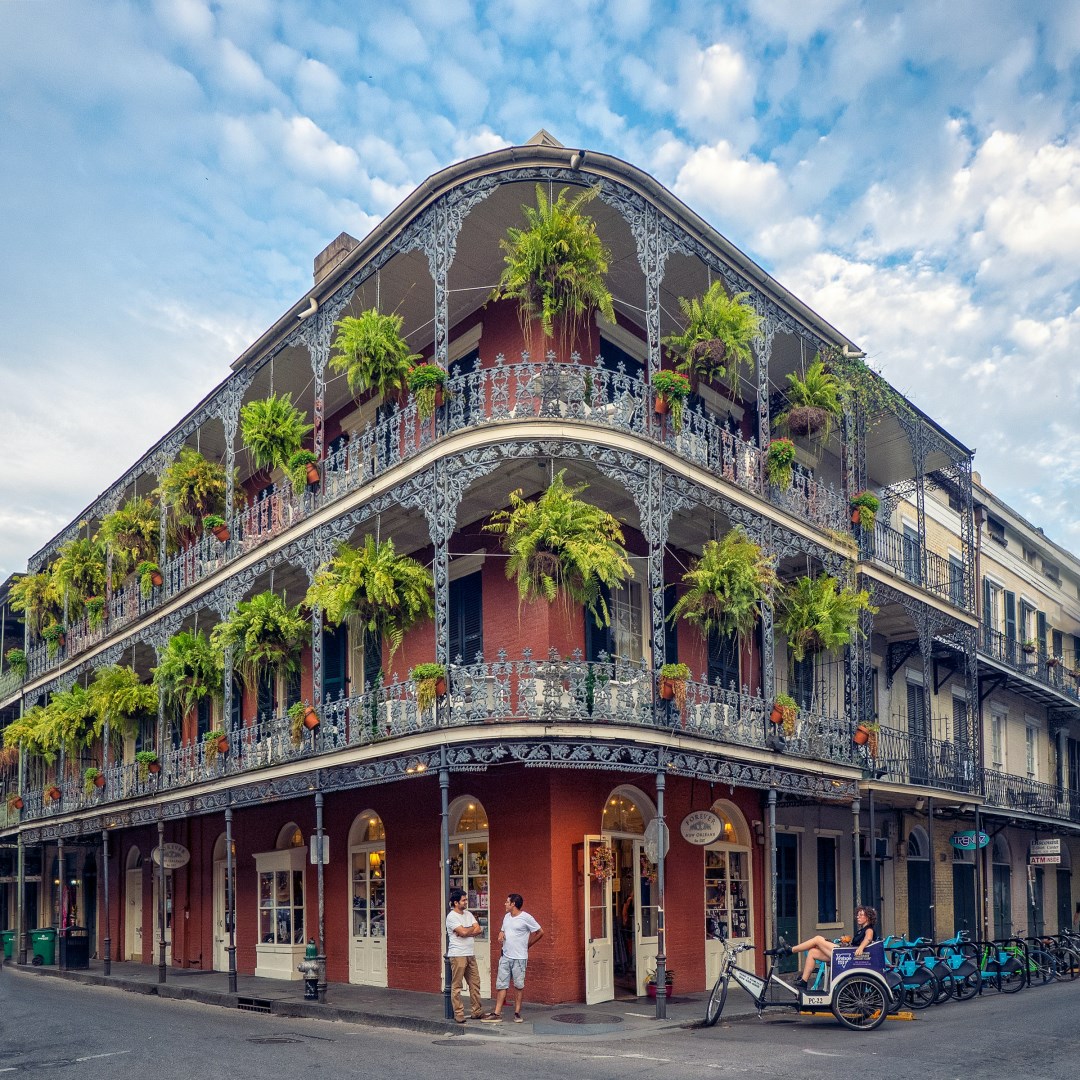

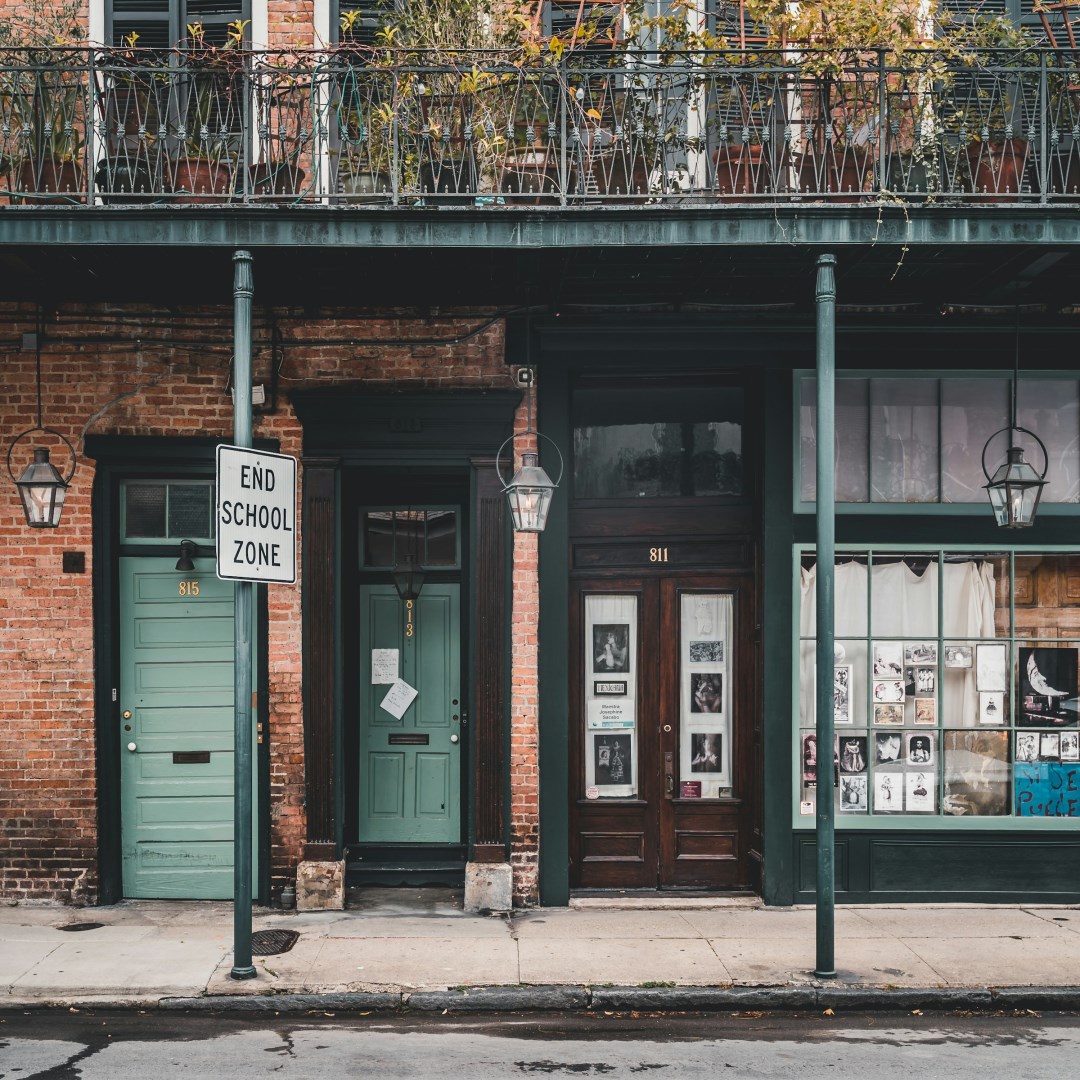
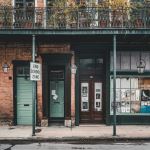


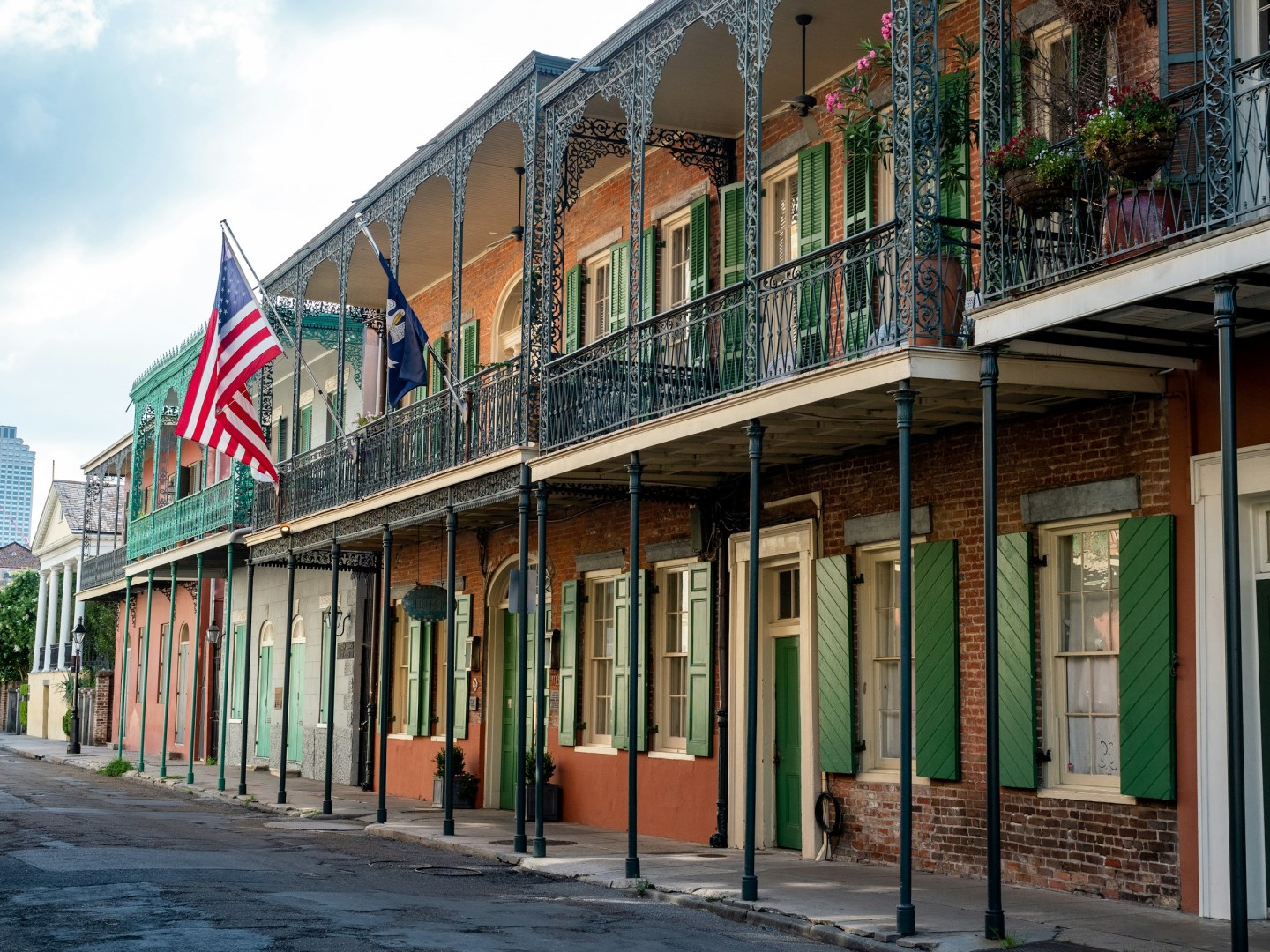
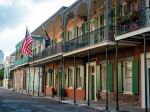




New Orleans is unlike any other city in the United States. Founded in 1718, it carries layers of French, Spanish, African, and Caribbean influence that can be felt in everything from its architecture to its street music. The French Quarter, the oldest neighborhood in the city, is full of iron-laced balconies, gas lamps, and narrow streets that echo with the sounds of live jazz. While Bourbon Street may grab headlines, quieter corners like Royal Street offer galleries, antique shops, and impromptu performances from talented local musicians.
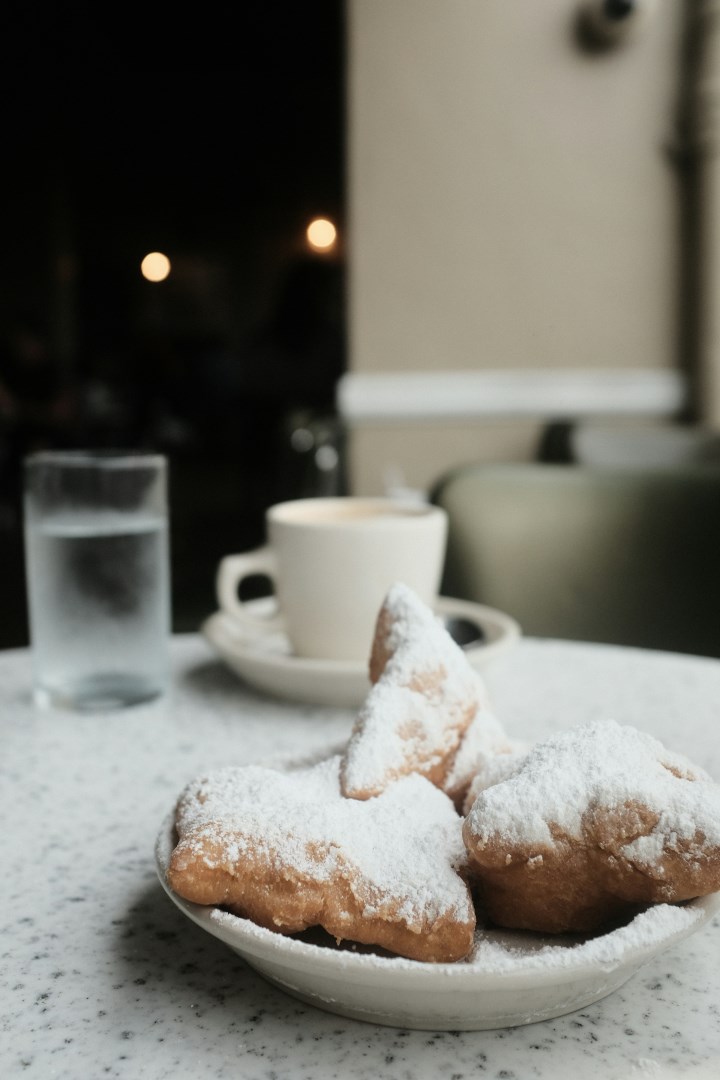
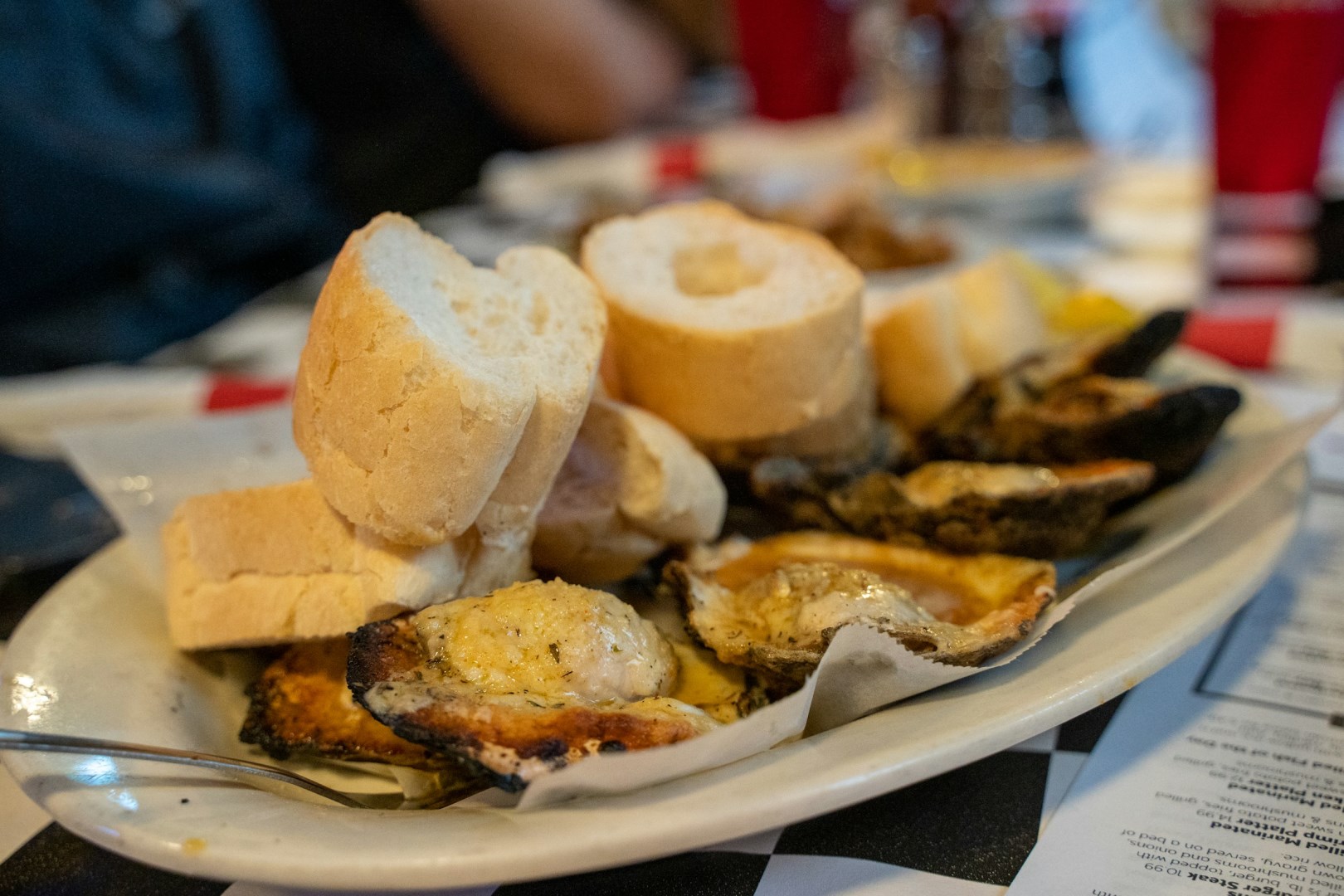
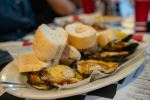
Food in New Orleans is a celebration. Whether it's beignets dusted in powdered sugar at Café du Monde, gumbo served over rice in a neighborhood café, or charbroiled oysters from Drago’s, each dish tells a story. Creole and Cajun cooking traditions run deep here, shaped by centuries of immigration, trade, and cultural exchange. Even local sandwiches have star power; the muffuletta, piled with Italian meats and olive salad, is a lunchtime favorite that originated right in the French Quarter.
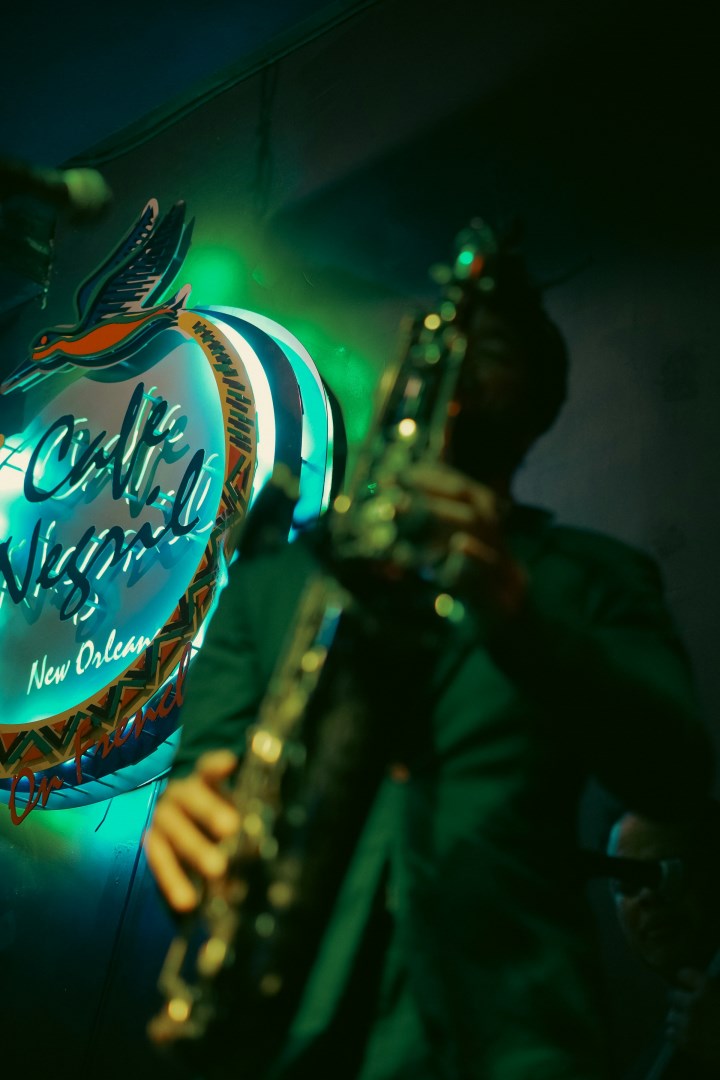
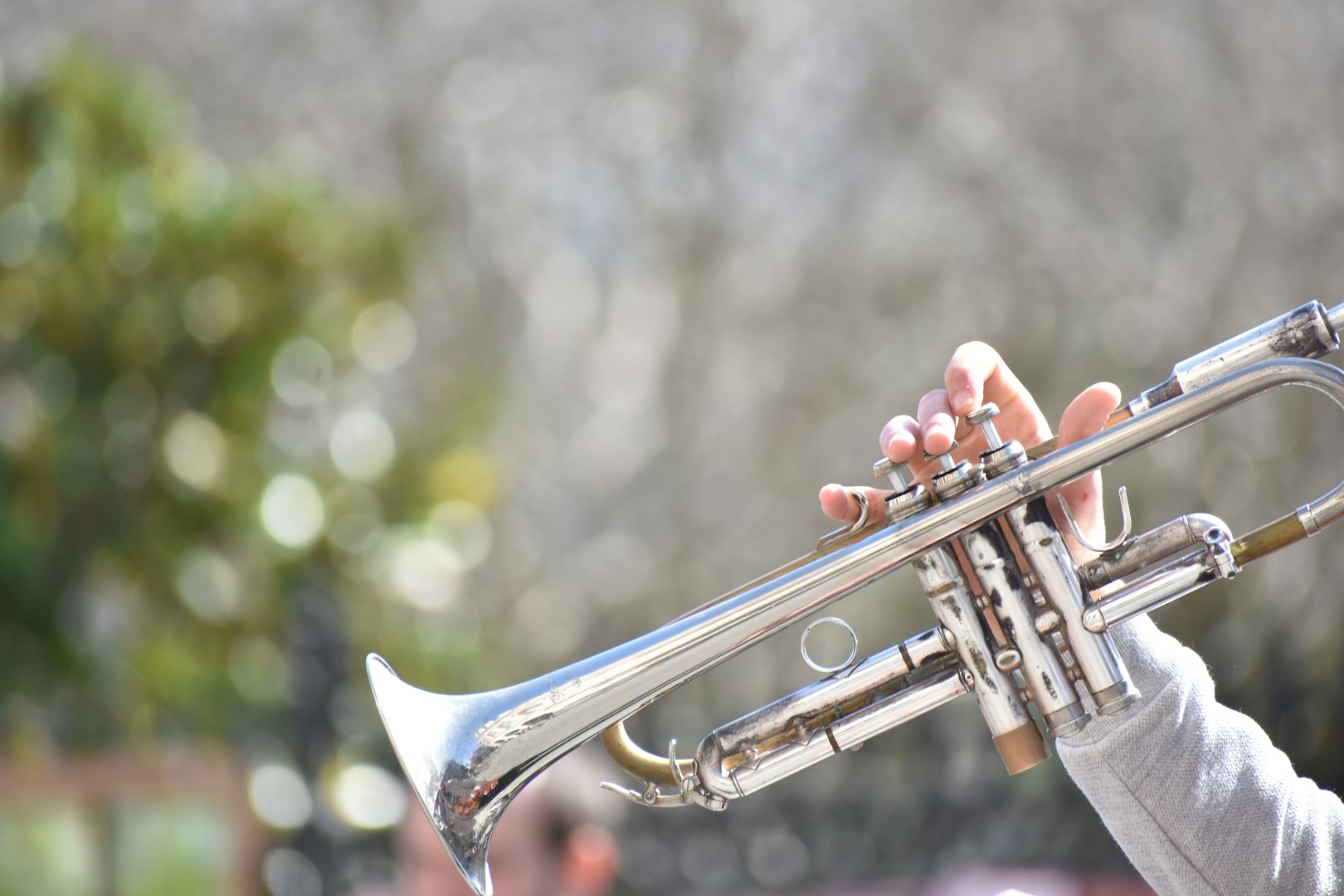
Music pulses through every part of the city. It’s not unusual to hear a brass band parading down the street or stumble upon a second line funeral, where sorrow turns into celebration. Frenchmen Street, just a short walk from the Quarter, is a hotspot for live music that ranges from traditional jazz to funk and blues. Historic venues like Preservation Hall keep the roots of New Orleans jazz alive, offering intimate, no-frills shows that focus solely on the music.
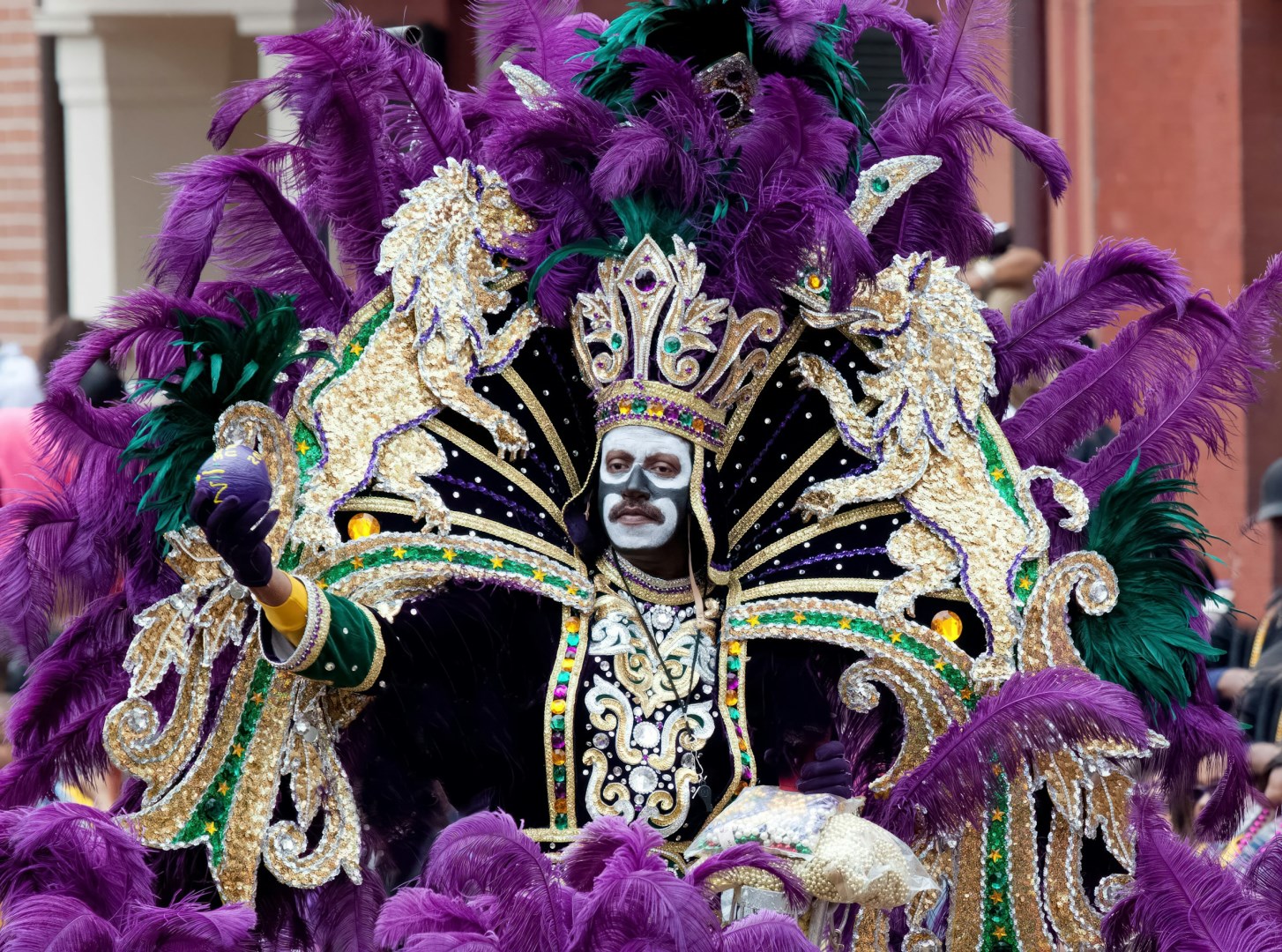
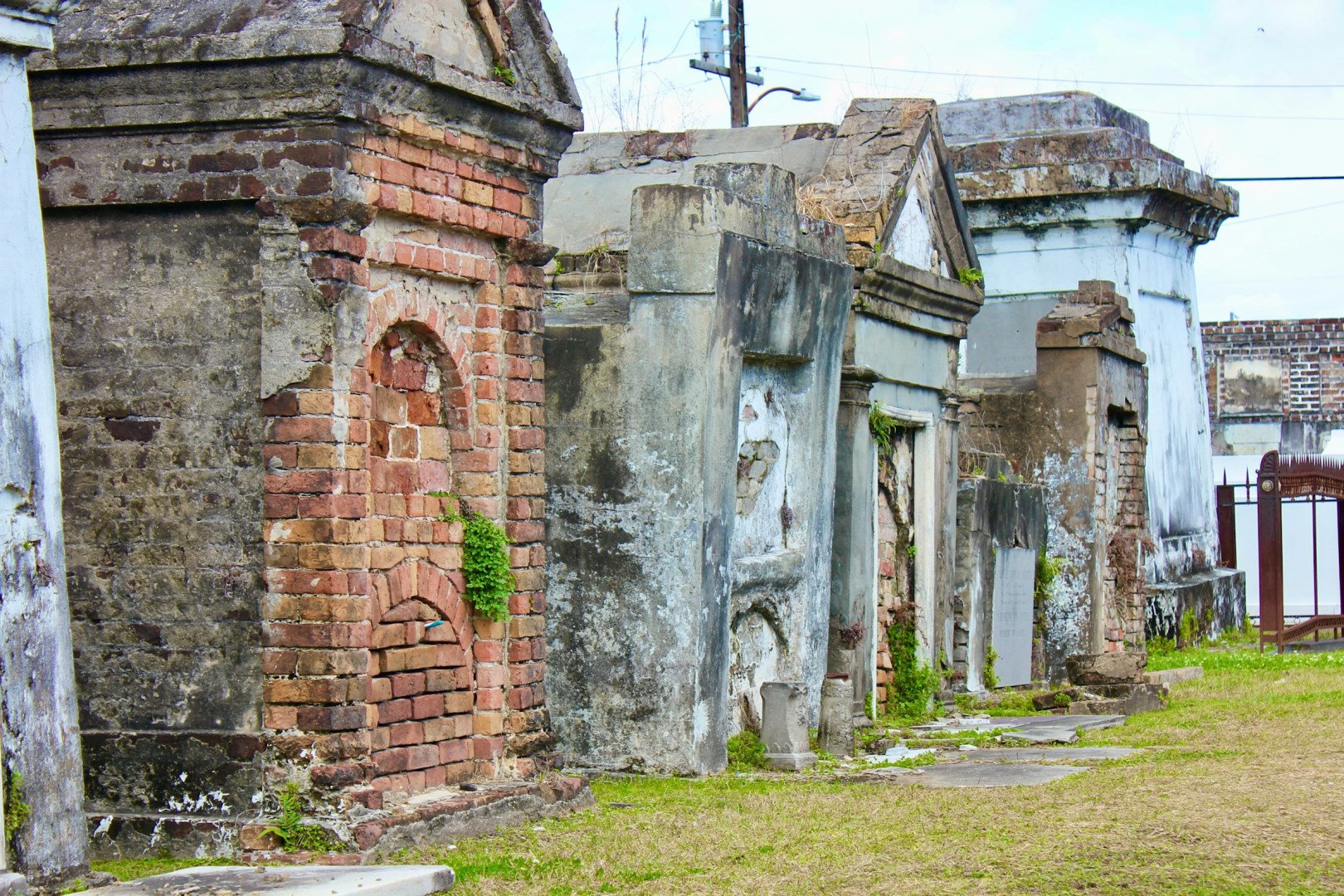
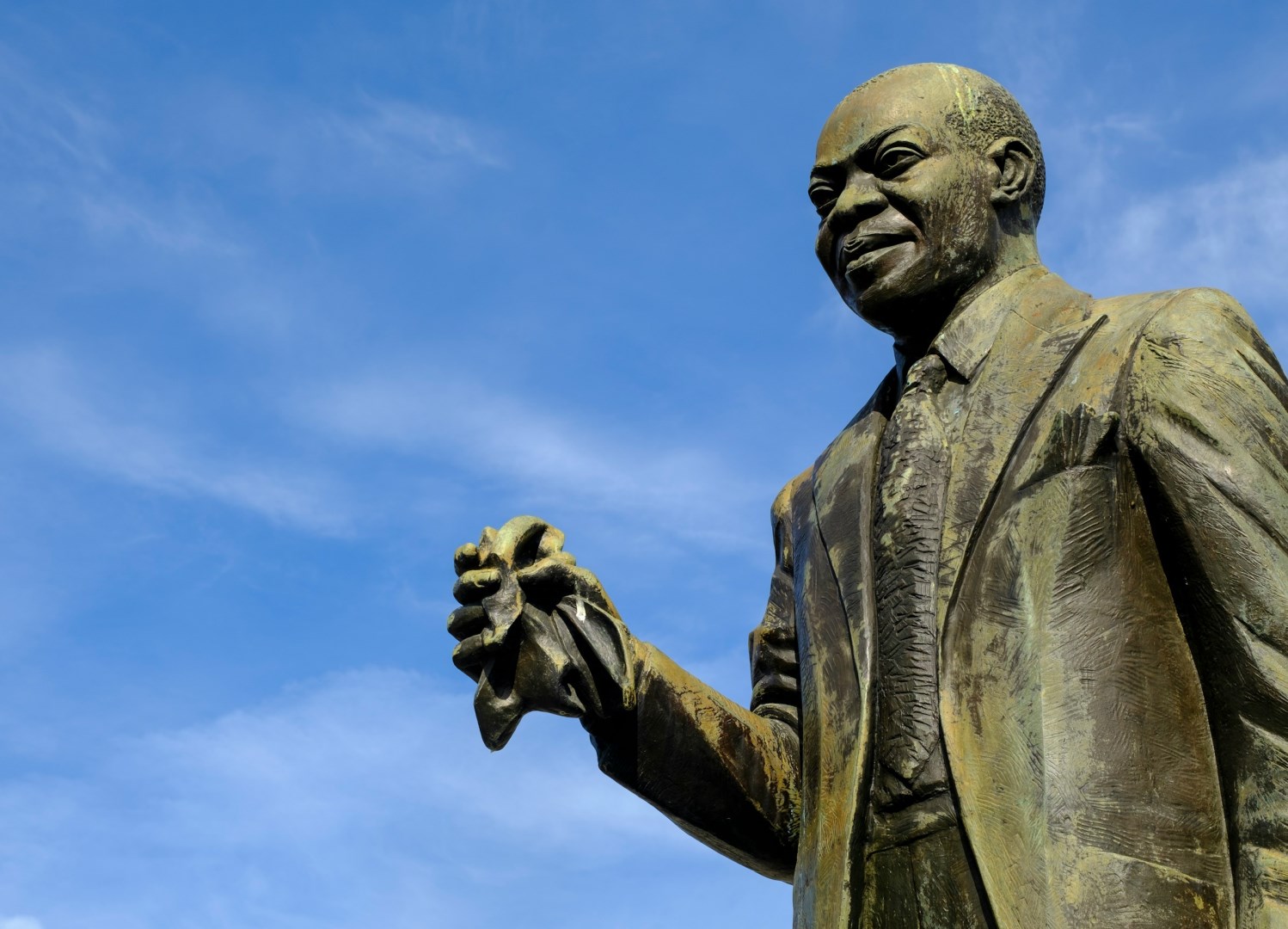
Quirky traditions and local pride run deep here. Mardi Gras is the most famous celebration, but locals will tell you that events like French Quarter Fest and Satchmo SummerFest offer a more laid-back way to enjoy the city’s rhythm. Even cemeteries in New Orleans have character, with above-ground tombs nicknamed "cities of the dead." Whether it’s your first visit or your fifth, New Orleans always offers something unexpected around the corner.
Learn More About New Orleans
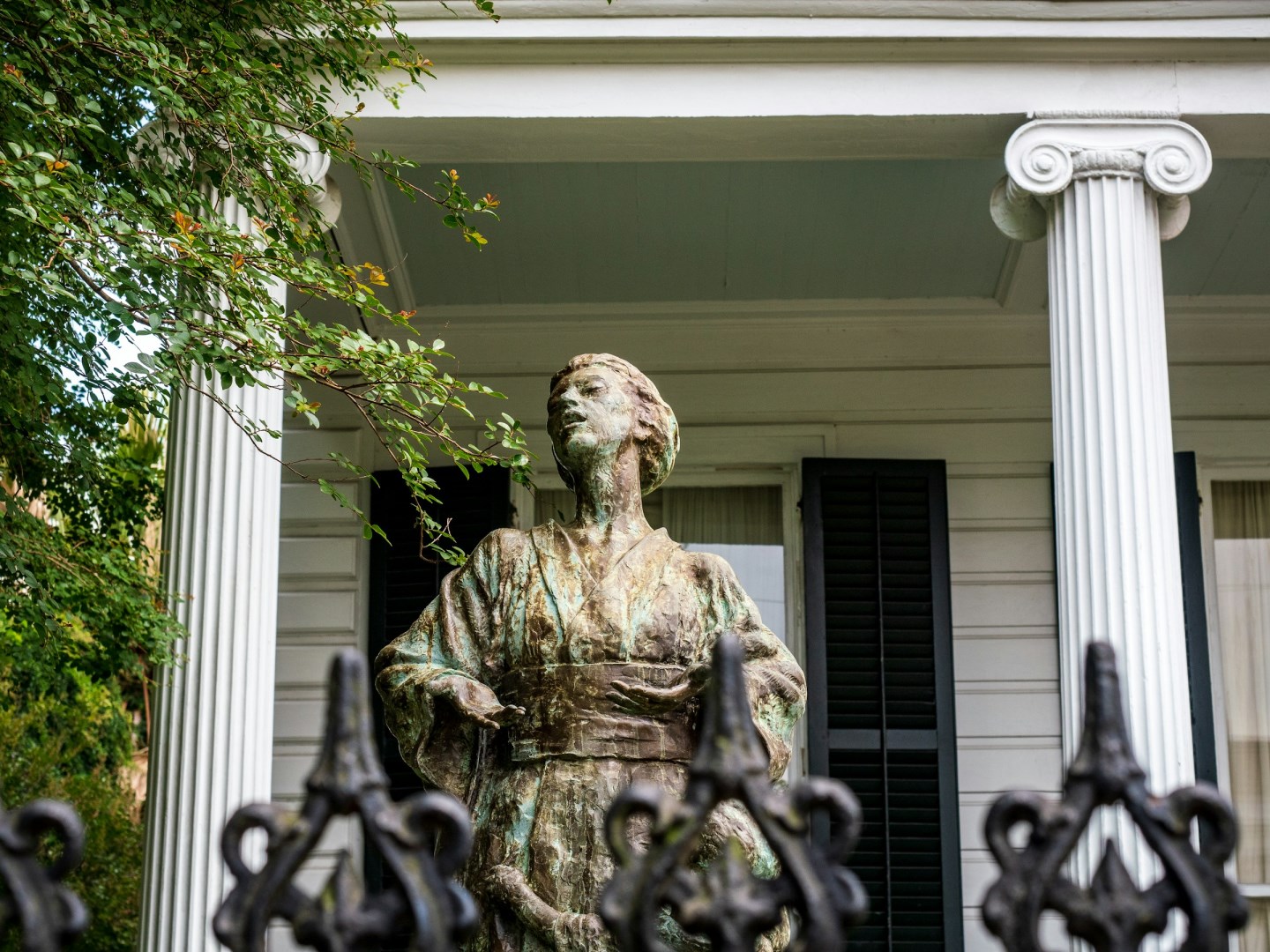
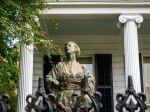
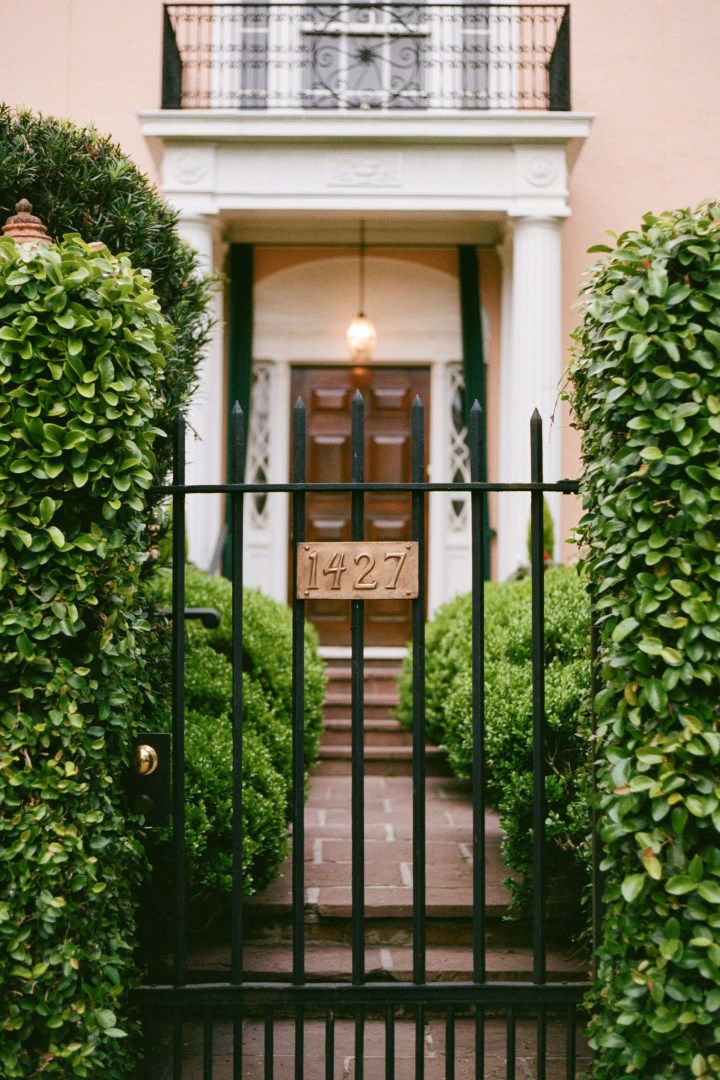
The Garden District is a historic neighborhood in Uptown New Orleans, known for its broad streets, mature live oaks, landscaped grounds, and collection of grand residences. The district occupies a compact area between St. Charles Avenue, Magazine Street, Jackson Avenue, and Louisiana Avenue, with many of its streets lined by ornate houses set behind iron fences. Greek Revival, Italianate, Gothic Revival, Queen Anne, and other architectural styles appear throughout the neighborhood. The result is a residential landscape where large historic homes stand alongside smaller cottages and townhouses.
The neighborhood developed from the former Livaudais plantation and became associated with wealthy residents who built substantial homes on large lots. Its architecture reflects the changing social and economic character of New Orleans as the city expanded beyond the French Quarter. The Garden District remains a residential community, and many properties are privately owned. Lafayette Cemetery No. 1 is one of its most recognizable cultural landmarks, with above-ground tombs that reflect New Orleans burial traditions. During Carnival season, some homes display the flag of Rex, connecting the neighborhood to the city's long-standing Mardi Gras traditions.
St. Charles Avenue forms the eastern edge of the district and is served by the St. Charles streetcar, which passes beneath a canopy of mature oaks. Walking routes through the neighborhood lead past notable residences such as the Buckner Mansion and Colonel Short's Villa, while Lafayette Cemetery No. 1 provides a distinctive contrast to the surrounding houses. Magazine Street, along the district's western side, adds locally owned shops, galleries, bakeries, cafes, and restaurants. The nearby Rink and Washington Avenue also provide recognizable points of reference for exploring the area on foot.
Food and shopping are closely tied to the Garden District's location along Magazine Street, where restaurants serve New Orleans staples alongside contemporary Louisiana cooking. Commander's Palace, near Lafayette Cemetery, is one of the area's best-known restaurants and has been part of the local culinary landscape for generations. The neighborhood also has strong connections to literature and popular culture, with several historic residences associated with writers and film or television productions. Preservation remains an important part of the district's identity, with the City of New Orleans regulating exterior changes to historic properties to protect its architectural character.
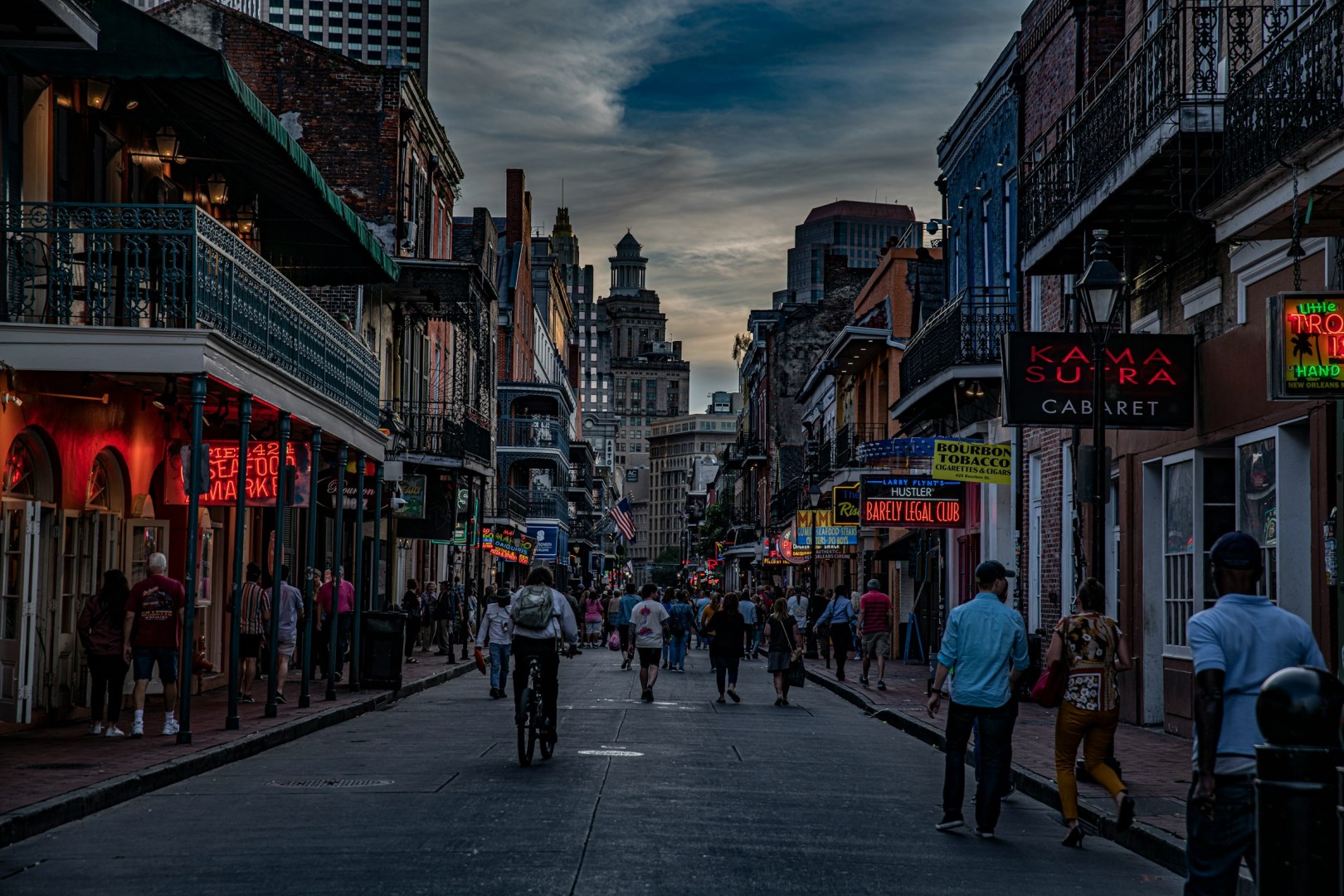
Bourbon Street is one of the best-known streets in New Orleans, running through the French Quarter from Canal Street toward Esplanade Avenue. Its narrow route passes through a dense collection of historic buildings, balconies, courtyards, bars, restaurants, music venues, and shops. The street is particularly associated with the French Quarter's nightlife, although its character changes considerably between the quieter northern sections and the busier blocks around Canal Street. Pedestrian traffic is common, and several blocks are closed to vehicles during major festivals and special events.
The street takes its name from the House of Bourbon, the French royal family, reflecting New Orleans' early French connections. Its buildings display architectural features strongly associated with the French Quarter, including wrought-iron balconies, stucco facades, shutters, and interior courtyards. Bourbon Street has also played a role in the city's musical history, particularly around the period when jazz developed in New Orleans. Today, live music remains part of the street's identity, although the area is equally known for its restaurants, cocktail bars, and late-night entertainment.
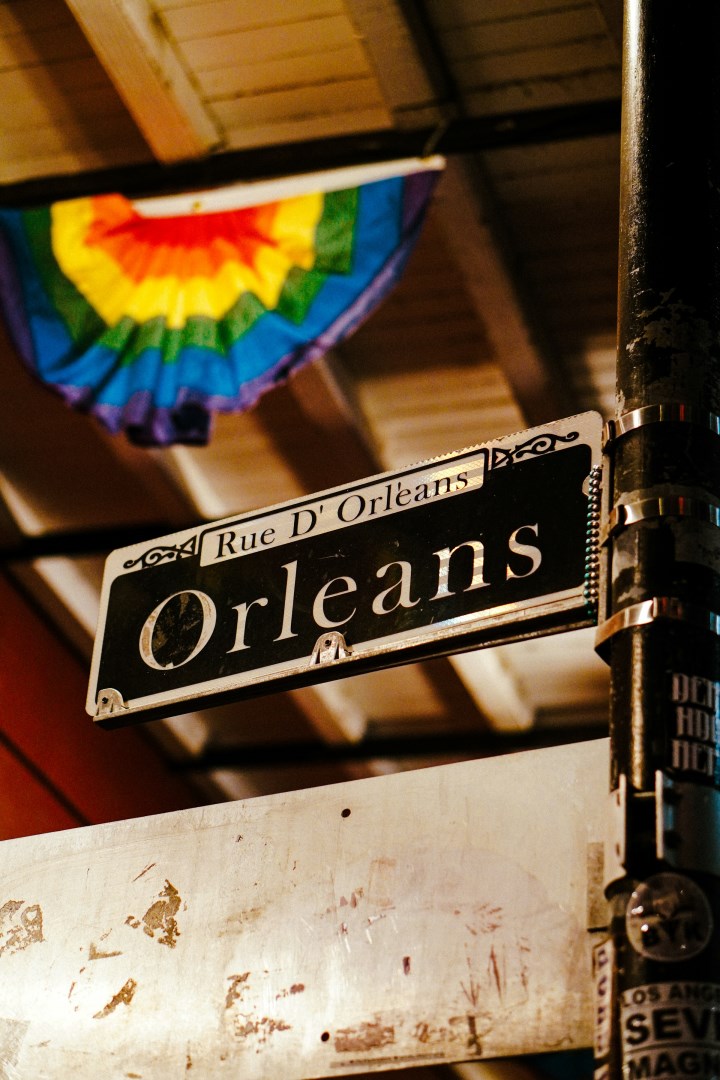
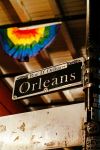
The most recognizable section of Bourbon Street lies within the French Quarter's historic grid, where buildings stand close to the sidewalk and balconies overlook the street. St. Louis Street, Orleans Street, and Bienville Street intersect Bourbon Street near several notable landmarks, while Jackson Square and the Mississippi River are within walking distance. The street also passes near historic churches, museums, galleries, and the French Market. Its architecture is best appreciated alongside the surrounding streets, where quieter courtyards and residential buildings provide a different view of the French Quarter.
Food and drink are central to the Bourbon Street experience, with establishments serving New Orleans specialties such as gumbo, jambalaya, po'boys, and seafood. The street is also associated with drinks such as the Hurricane, although the cocktail originated at Pat O'Brien's in the French Quarter rather than on Bourbon Street itself. During Mardi Gras, Bourbon Street becomes part of the wider celebration throughout the French Quarter, while other festivals and events bring additional crowds. Despite its reputation for nightlife, Bourbon Street is also a historic public street whose buildings and layout form part of the larger French Quarter National Historic Landmark.
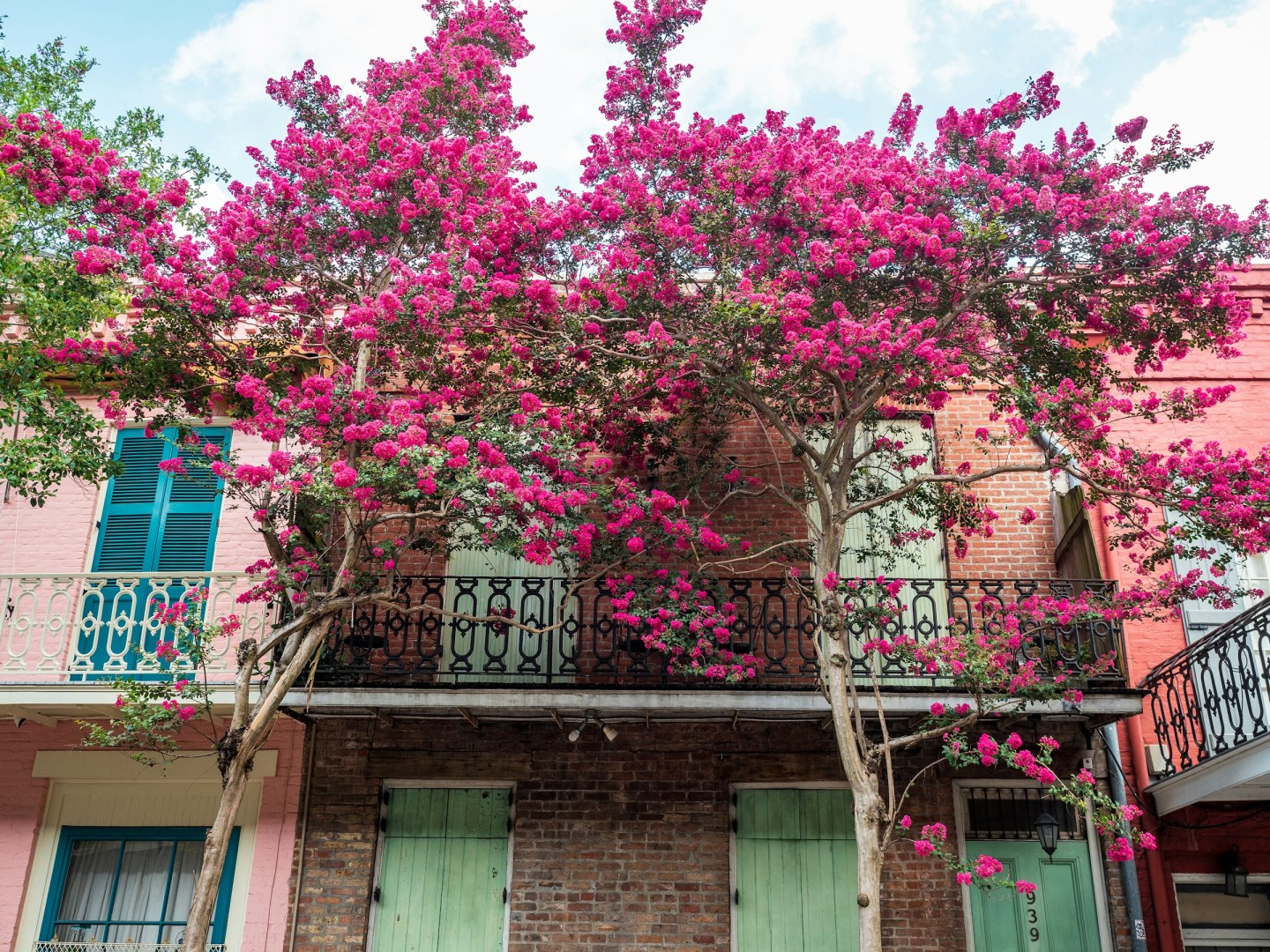
The French Quarter is the oldest neighborhood in New Orleans and one of the city's most recognizable districts. Its compact streets are lined with buildings featuring wrought-iron balconies, colorful stucco walls, wooden shutters, and interior courtyards. The Mississippi River forms its eastern edge, while Canal Street marks the boundary between the Quarter and the modern central business district. Bourbon Street is its most famous thoroughfare, but quieter streets such as Royal, Chartres, and Burgundy reveal galleries, restaurants, small hotels, historic homes, and courtyards that reflect the neighborhood's distinctive architectural character.
The French Quarter reflects the city's French, Spanish, Creole, African, Caribbean, and American influences. Jackson Square sits at its center, surrounded by landmarks including St. Louis Cathedral, the Cabildo, and the Presbytère. The neighborhood has long been associated with music, particularly jazz and other traditions that developed in New Orleans. Creole culture is also visible in its architecture, food, language, festivals, and social traditions. The French Market and nearby markets connect the district with long-standing patterns of local commerce, while artists and street performers remain a familiar part of the public spaces.
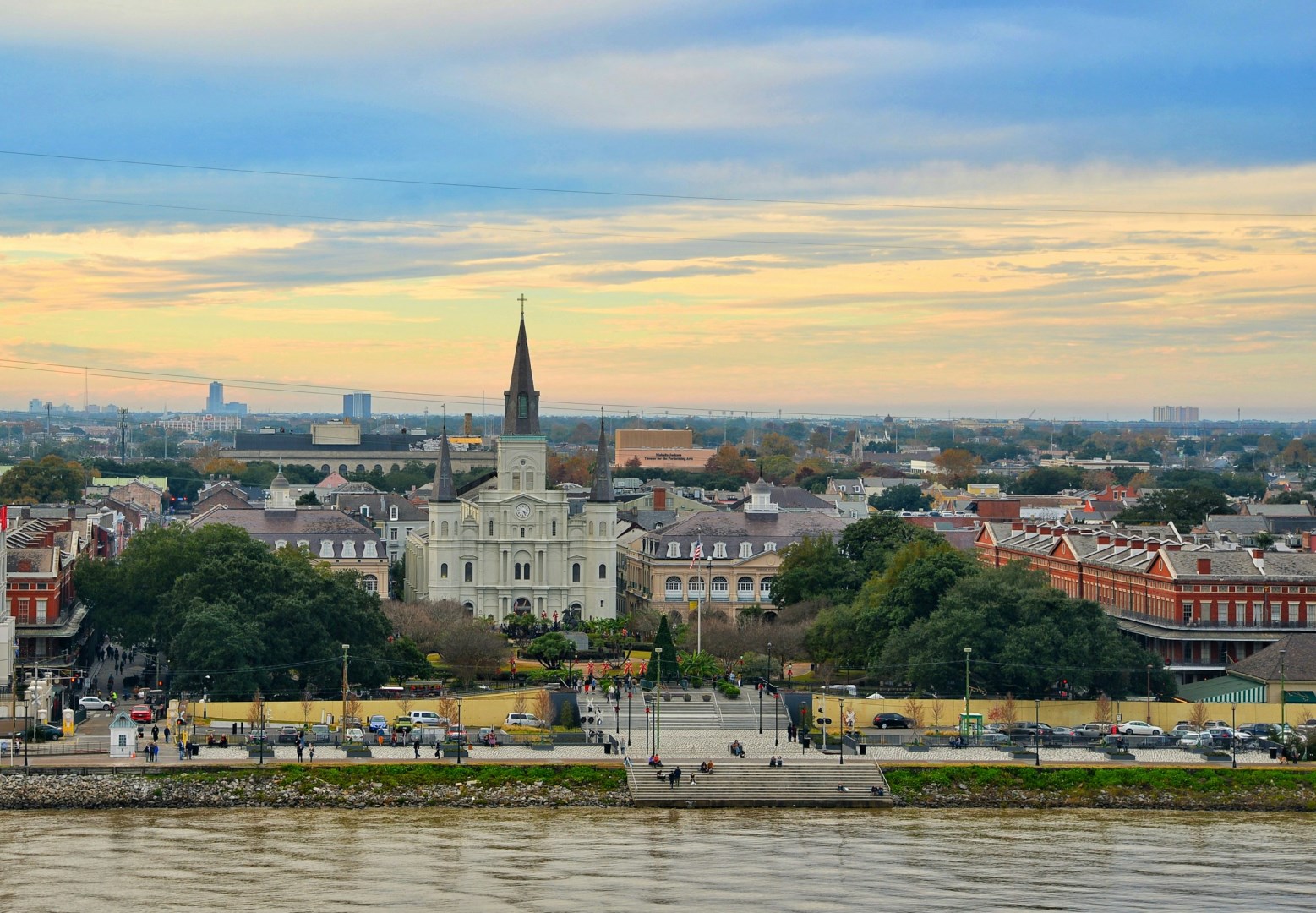
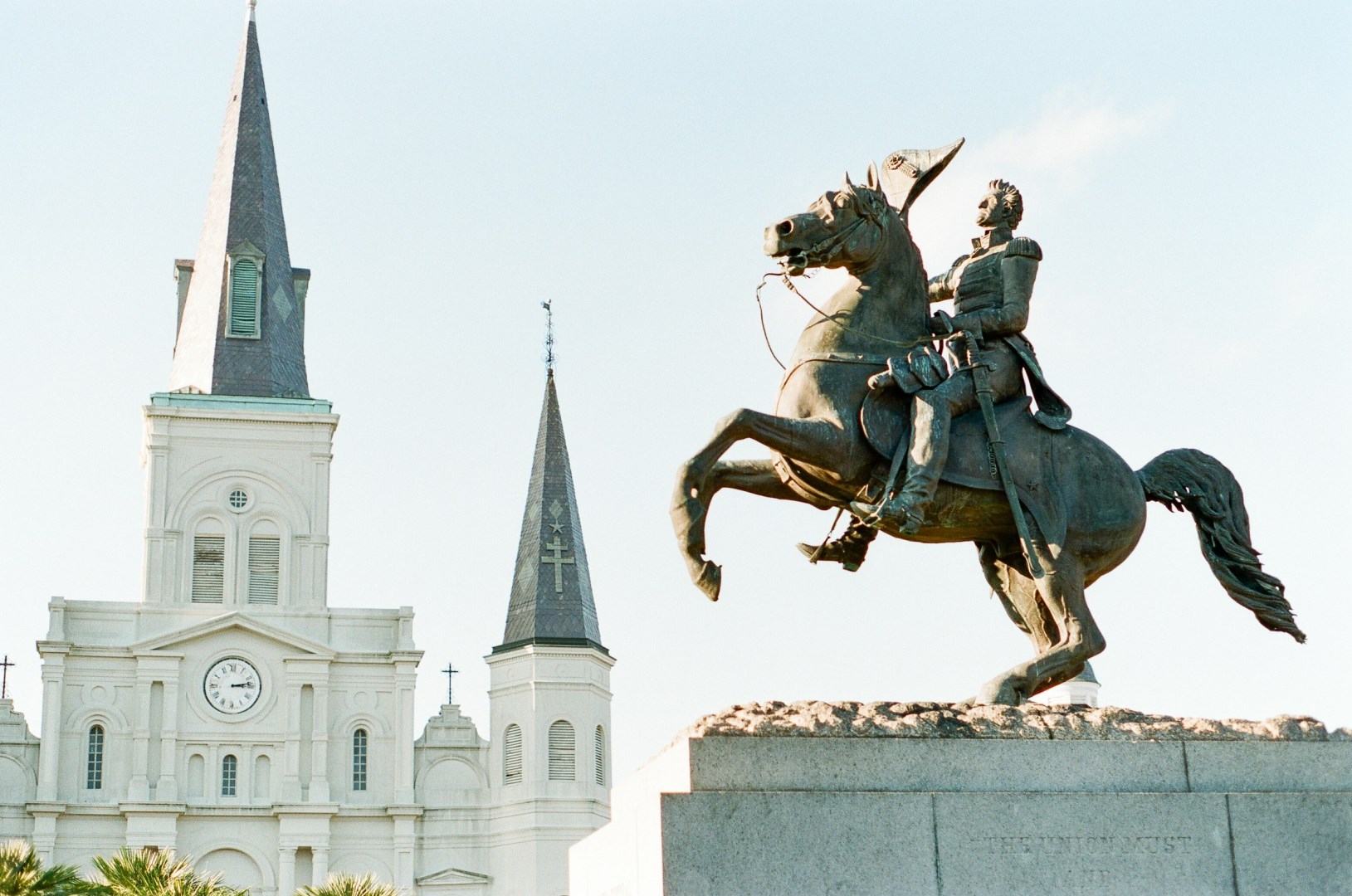
Jackson Square provides one of the Quarter's main gathering places, with gardens, monuments, artists, and views toward the Mississippi River. St. Louis Cathedral dominates the square, while the Cabildo and Presbytère contain museums exploring Louisiana history and culture. Royal Street is known for antique shops, galleries, and historic buildings, while Decatur Street leads toward the French Market and riverfront. The neighborhood's narrow streets and dense blocks make walking an effective way to see its architecture. Several courtyards and small alleys are tucked behind the main streets, offering quieter spaces away from the busiest areas.
Food is central to the French Quarter, with restaurants and cafes serving dishes associated with New Orleans cuisine, including gumbo, jambalaya, red beans and rice, étouffée, and po'boys. Beignets dusted with powdered sugar are closely associated with the district, particularly at Café du Monde near Jackson Square. The Quarter is also known for cocktails, live music, and nightlife, with Bourbon Street forming its busiest entertainment corridor. During Mardi Gras, the neighborhood becomes a major center for parades, costumes, and celebrations. Its mix of architecture, food, music, and Creole traditions makes the French Quarter an important cultural district within New Orleans.
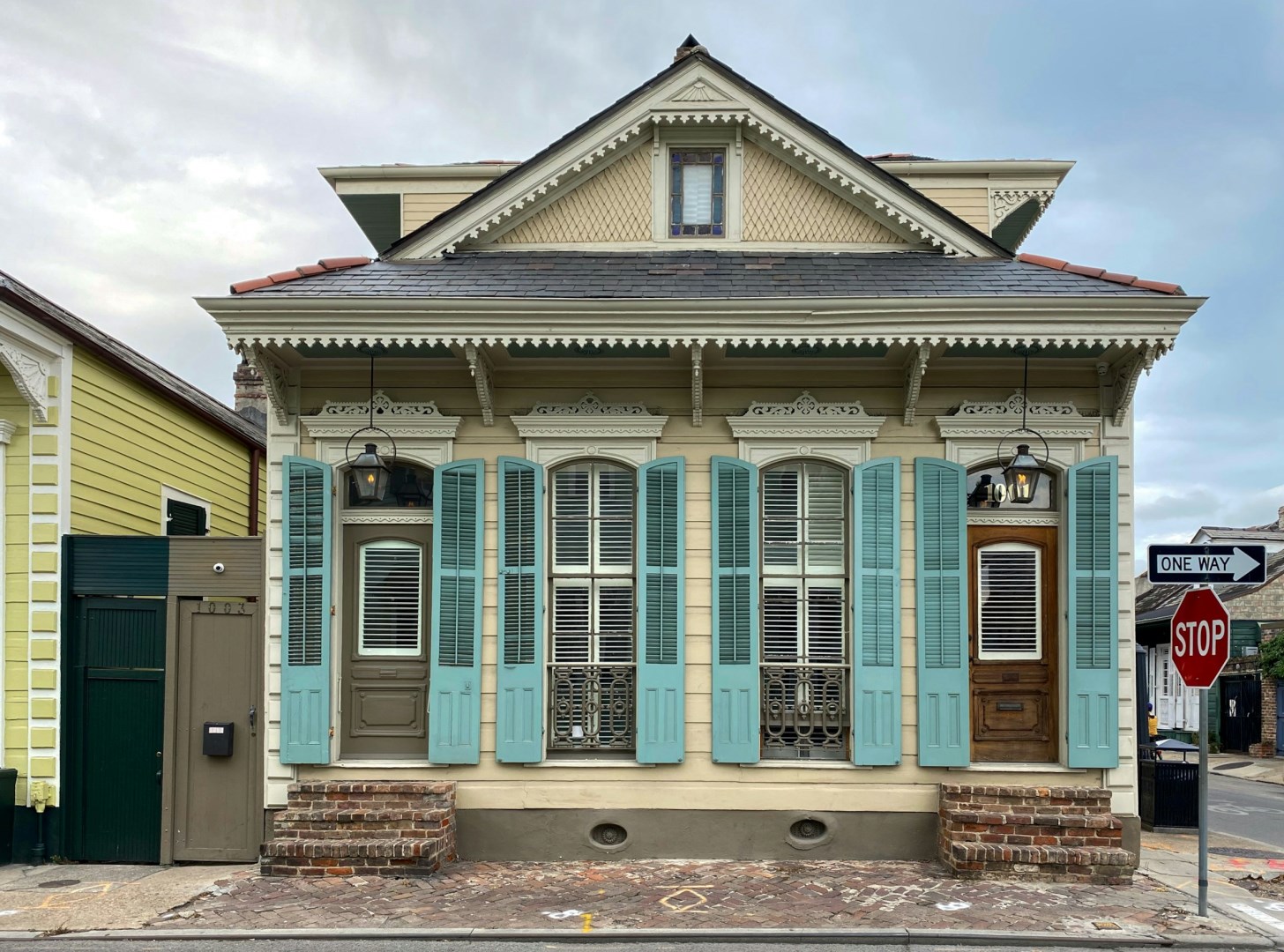
Frenchmen Street is a compact entertainment and cultural corridor in the Faubourg Marigny neighborhood of New Orleans, just outside the eastern edge of the French Quarter. It is best known for live music, with clubs, bars, restaurants, and small performance spaces concentrated along several blocks. Unlike the more tourist-focused atmosphere of Bourbon Street, Frenchmen Street has a strong connection to New Orleans' local music scene. Its buildings also reflect the architectural character of the Marigny, with colorful facades, iron balconies, narrow lots, and historic Creole cottages lining the street.
Music is central to Frenchmen Street's identity, with jazz, blues, funk, brass bands, and other styles performed in intimate venues throughout the evening. The street's connection to the city's musical traditions is reinforced by its location near neighborhoods that played important roles in the development of New Orleans music. Art is also part of the area's character, particularly around the open-air Frenchmen Art Bazaar, where local artists and craftspeople display their work. The nearby Washington Square Park provides a green public space surrounded by the historic streets of the Faubourg Marigny.
Frenchmen Street is especially concentrated around the blocks between Esplanade Avenue and Chartres Street, where visitors can move easily between music clubs, restaurants, and bars. The street connects with nearby Royal and Chartres streets, which contain additional galleries, historic residences, and neighborhood businesses. The Frenchmen Art Bazaar offers an outdoor setting for browsing locally made artwork and crafts. Washington Square, at the western end of the corridor, is shaded by mature trees and provides a quieter contrast to the busy nightlife venues. The area can be explored on foot from the French Quarter.
Restaurants along Frenchmen Street serve New Orleans specialties alongside casual food suited to an evening out, while nearby vendors and cafes provide additional options. The street is also known for its evening markets, where artists and makers sell paintings, jewelry, photography, crafts, and other locally produced work. Live music remains the main reason many visitors come to the area, but the combination of music venues, independent businesses, public art, and historic architecture gives the corridor a broader cultural identity. Its location in the Faubourg Marigny also makes it useful for exploring a residential neighborhood beyond the main streets of the French Quarter.
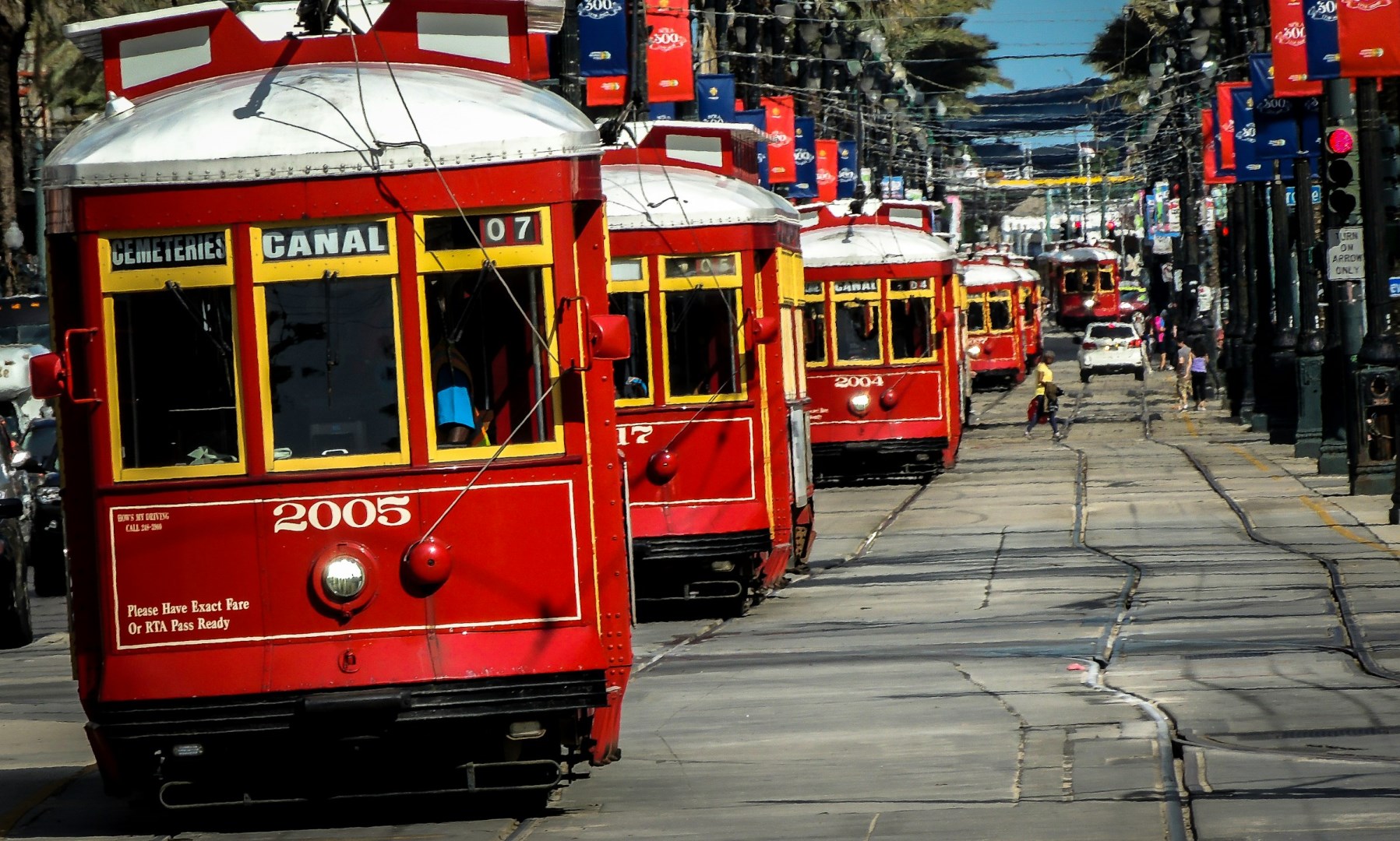
Canal Street is one of New Orleans' principal thoroughfares, separating the French Quarter from the Central Business District and extending from the Mississippi River toward the Mid-City area. Its broad central median, multiple traffic lanes, streetcar tracks, historic buildings, hotels, shops, theaters, and restaurants give it a very different appearance from the narrow streets of the French Quarter nearby. The street is also an important transportation corridor, with streetcars and buses connecting downtown with surrounding neighborhoods. Its position between historic and modern parts of the city makes Canal Street a useful starting point for exploring New Orleans.
Canal Street reflects the city's changing urban landscape and has long served as a boundary between distinct neighborhoods. Its name comes from a planned canal that was never constructed, while the wide street was developed as an important avenue through the growing city. The neutral ground, the local term for its broad central median, became an important feature of the street's design. Canal Street has also been closely associated with commerce, parades, theaters, and public gatherings. Today, its buildings range from historic commercial structures to modern hotels and office towers, showing several layers of New Orleans' urban development.
The Mississippi River end of Canal Street provides direct access to the French Quarter, with Jackson Square and the riverfront within walking distance. The street passes landmarks such as the Saenger Theatre, Caesars New Orleans, and the Canal Street Ferry terminal area. Streetcars run along the central corridor, including routes serving the Riverfront and St. Charles Avenue. Toward the northwestern end, Canal Street approaches the New Orleans Cemetery District, where large historic cemeteries contain rows of above-ground tombs. The variety of architecture and transportation along the street makes it one of the city's most recognizable urban corridors.
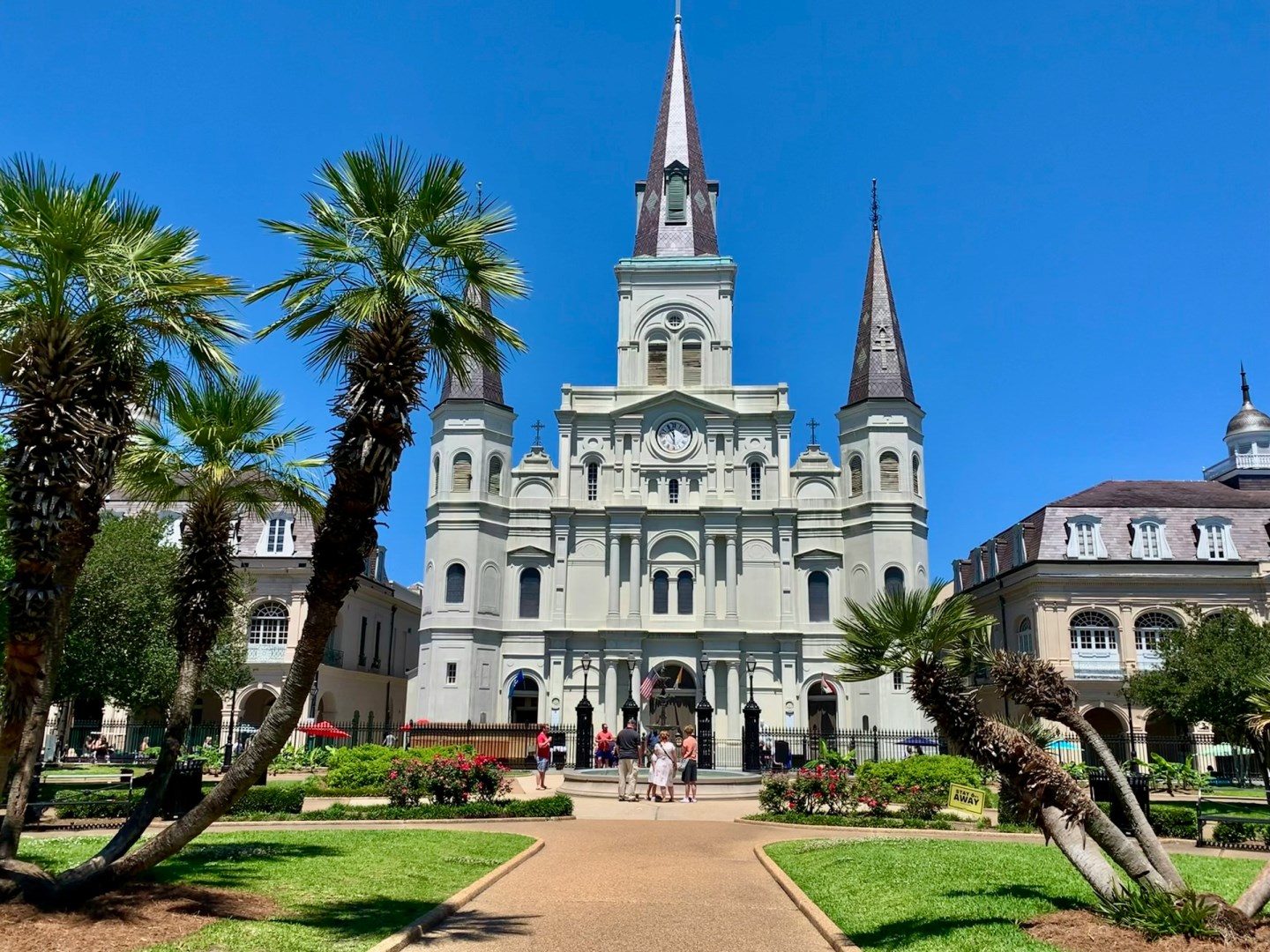
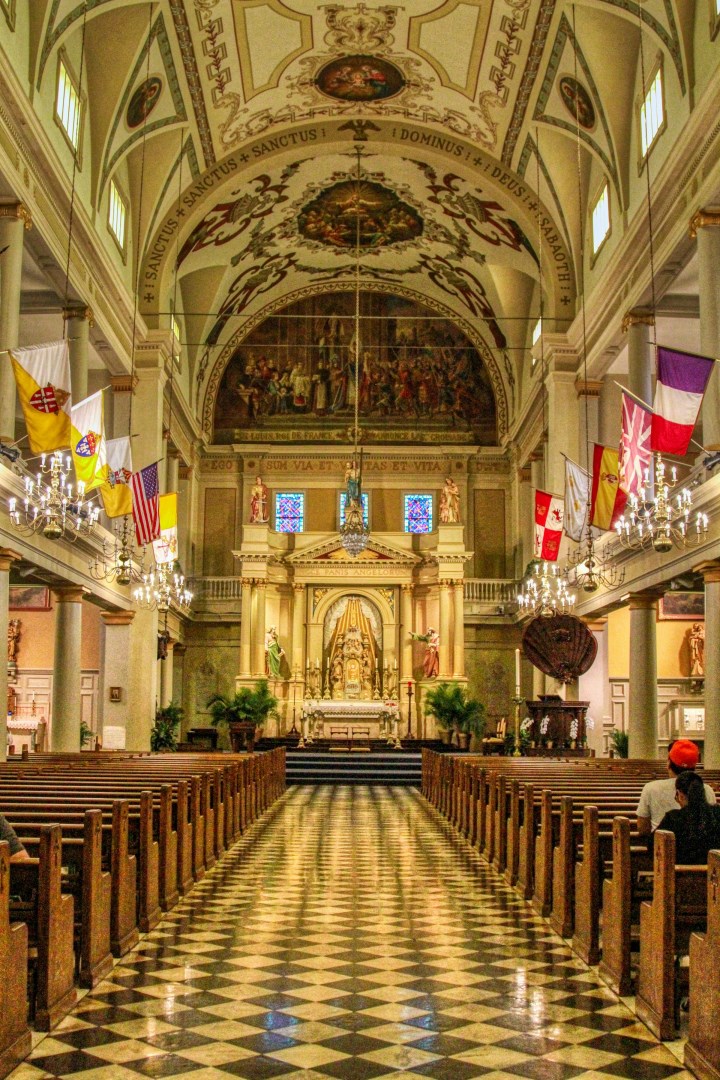
St. Louis Cathedral stands at the northern edge of Jackson Square in the heart of New Orleans' French Quarter. Its white facade, three prominent towers, and position facing the square make it one of the city's most recognizable landmarks. The cathedral serves as the seat of the Roman Catholic Archdiocese of New Orleans and remains an active place of worship. Inside, visitors can see a central nave, stained-glass windows, religious paintings, and architectural details that reflect the cathedral's long connection with the city's Catholic community.
The cathedral's parish traces its origins to the early history of New Orleans, and the present building stands on the site of earlier churches dedicated to St. Louis, King of France. Its history reflects the French, Spanish, and Catholic influences that shaped the city. The cathedral's archives contain extensive baptismal, marriage, and funeral records documenting generations of New Orleans residents, including people from diverse social and ethnic backgrounds. A chapel within the cathedral is dedicated to Henriette Delille, a free woman of color who founded the Sisters of the Holy Family and whose life is closely connected with New Orleans Catholic history.
St. Louis Cathedral forms part of the architectural ensemble surrounding Jackson Square, alongside the Cabildo and the Presbytère. The square's gardens and pathways provide views of the cathedral's facade, while Pere Antoine Alley runs along one side of the building. Inside, stained-glass windows depict episodes from the life of St. Louis, and portraits of bishops and archbishops appear above the interior. The cathedral is also closely connected with the nearby Old Ursuline Convent and other Catholic heritage sites in the French Quarter, making the surrounding area an important concentration of religious architecture.
The cathedral remains an active parish church, with regular Masses and other Catholic services held throughout the week. Its location also places it at the center of major New Orleans traditions, including celebrations associated with Mardi Gras and other Catholic observances. The surrounding French Quarter provides numerous restaurants and cafes where visitors can sample dishes such as gumbo, jambalaya, and beignets after exploring Jackson Square. St. Louis Cathedral is therefore both a functioning religious institution and a major architectural and cultural landmark, with its present role closely connected to the wider history of New Orleans.
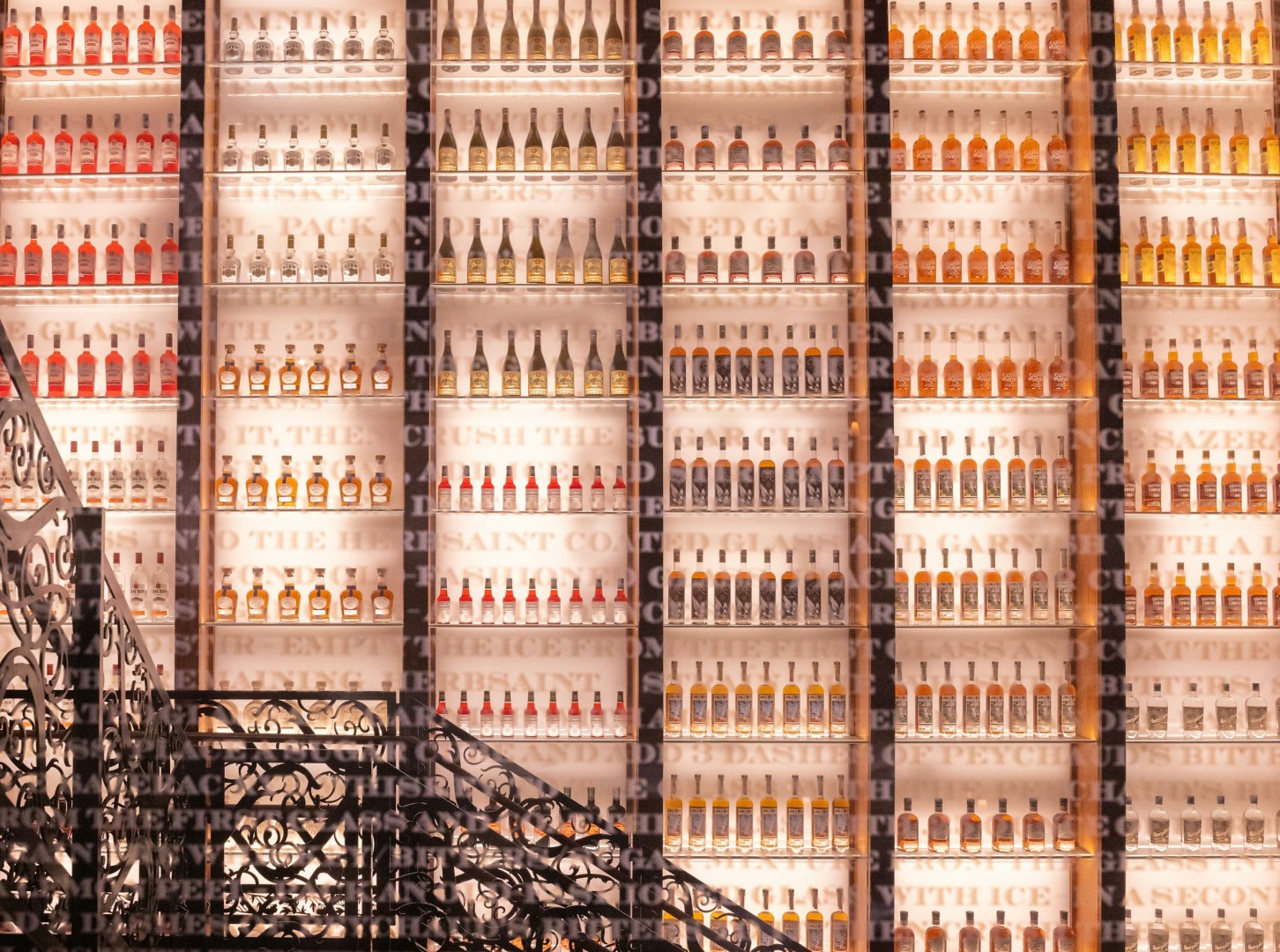
The Sazerac House is a museum and visitor center at the corner of Canal and Magazine streets on the edge of New Orleans’ French Quarter, devoted to the city’s cocktail traditions and the history of Sazerac. Its interactive exhibits explore the development of New Orleans cocktail culture, the story of the Sazerac cocktail, and the production of spirits and bitters. Visitors can see a working distillery exhibit and learn about Sazerac Rye, while displays on the second floor examine ingredients, tasting, and cocktail-making. The building also offers guided and self-guided experiences, with complimentary samples available to eligible visitors.
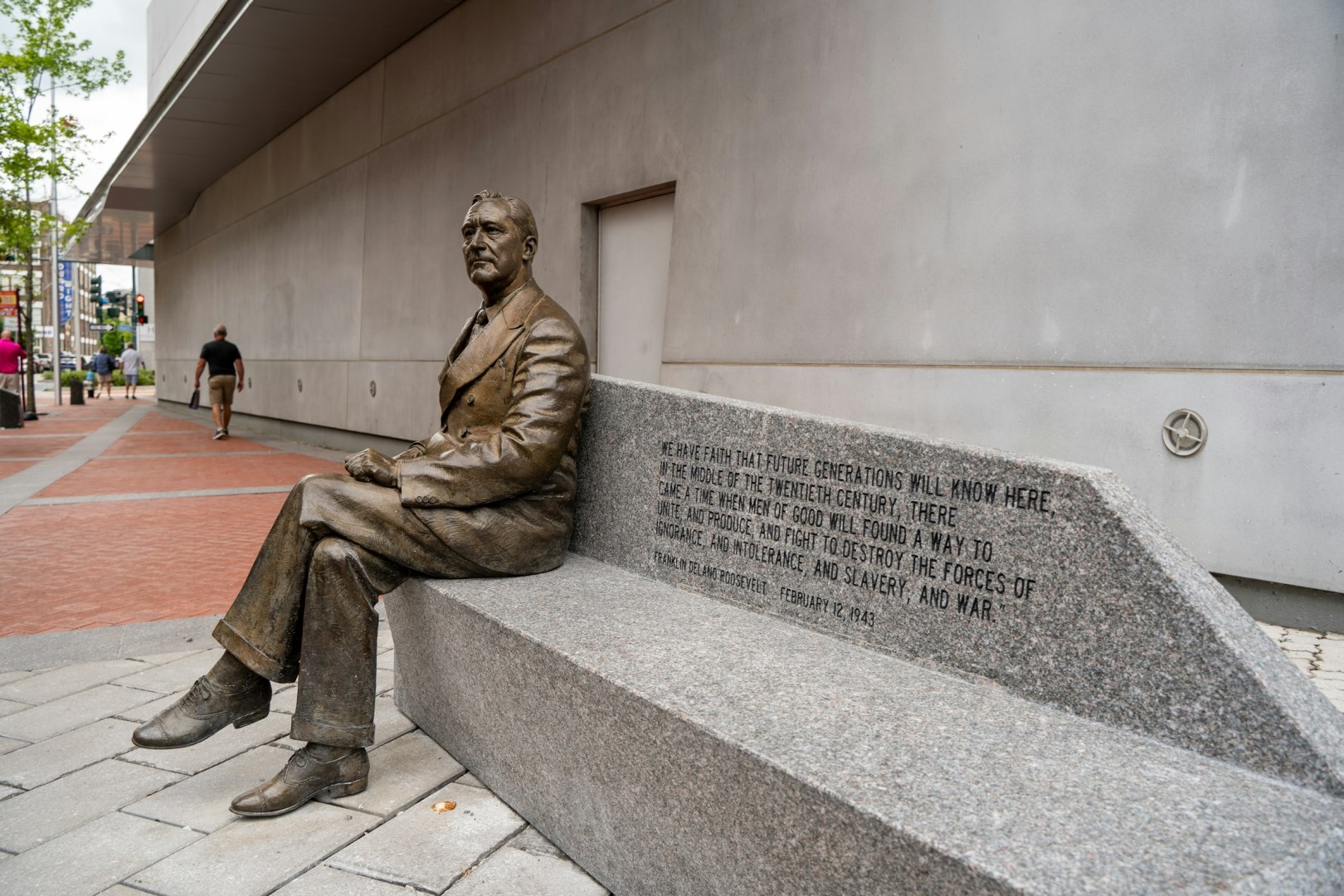
The National WWII Museum in New Orleans explores the American experience of World War II through artifacts, personal accounts, photographs, vehicles, and immersive exhibitions covering the conflict in Europe and the Pacific as well as life on the Home Front. Its galleries include Road to Berlin, Road to Tokyo, and The Arsenal of Democracy, while the Louisiana Memorial Pavilion features a replica Higgins boat and the permanent Bayou to Battlefield exhibit about New Orleans boatbuilder Andrew Higgins and his workforce. The museum also presents the 4D cinematic experience Beyond All Boundaries and interactive experiences focused on wartime technology, equipment, and individual experiences.


Other Popular Destinations in Louisiana