Site Logo
  • HOME
    • CLIA'S 12-HEALTHY REASONS TO CRUISE
    • TRAVEL RESOURCES
  • CRUISES
    • Celebrity Cruises River
  • DESTINATIONS
  • ABOUT US
    • CREDENTIALS
    • MEET BINTA
  • CONTACT US
Site Logo
  • HOME
    • CLIA'S 12-HEALTHY REASONS TO CRUISE
    • TRAVEL RESOURCES
  • CRUISES
    • Celebrity Cruises River
  • DESTINATIONS
  • ABOUT US
    • CREDENTIALS
    • MEET BINTA
  • CONTACT US
Site Logo
  • HOME
    • CLIA'S 12-HEALTHY REASONS TO CRUISE
    • TRAVEL RESOURCES
  • CRUISES
    • Celebrity Cruises River
  • DESTINATIONS
  • ABOUT US
    • CREDENTIALS
    • MEET BINTA
  • CONTACT US

Africa  |  Algeria  |  Algiers

Slideshow Placeholder
 Photo Credit: Nasro Azaizia
Photo Credit: Nasro Azaizia
 Photo Credit: Nasro Azaizia
 Photo Credit: Sid Ahmed SAOUD
Photo Credit: Sid Ahmed SAOUD
 Photo Credit: Sid Ahmed SAOUD
 Photo Credit: Photo by abderrahmane chablaoui on Unsplash
Photo Credit: Photo by abderrahmane chablaoui on Unsplash
 Photo Credit: Photo by abderrahmane chablaoui on Unsplash
Martyrs Memorial - Photo Credit: Photo by Paulo Lopes on Unsplash
Martyrs Memorial
Photo Credit: Photo by Paulo Lopes on Unsplash
Martyrs Memorial - Photo Credit: Photo by Paulo Lopes on Unsplash
Basilica of Notre-Dame d'Afrique - Photo Credit: Photo by Nabil Saleh on Unsplash
Basilica of Notre-Dame d'Afrique
Photo Credit: Photo by Nabil Saleh on Unsplash
Basilica of Notre-Dame d'Afrique - Photo Credit: Photo by Nabil Saleh on Unsplash
Jardin d'Essai du Hamma - Photo Credit: Photo by Azzedine Rouichi on Unsplash
Jardin d'Essai du Hamma
Photo Credit: Photo by Azzedine Rouichi on Unsplash
Jardin d'Essai du Hamma - Photo Credit: Photo by Azzedine Rouichi on Unsplash
Jardin d'Essai du Hamma
Photo Credit: Photo by Azzedine Rouichi on Unsplash
Jardin d'Essai du Hamma - Photo Credit: Photo by Azzedine Rouichi on Unsplash

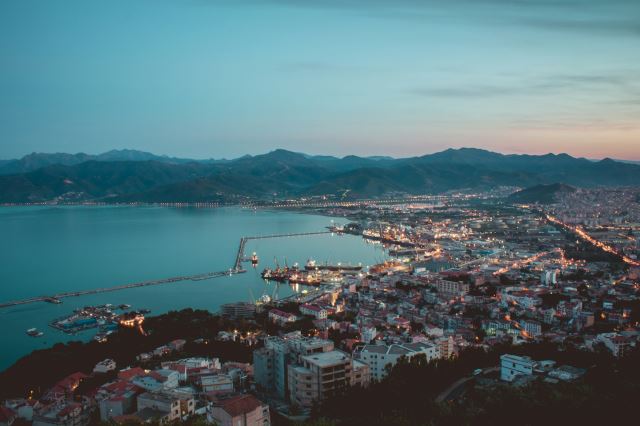
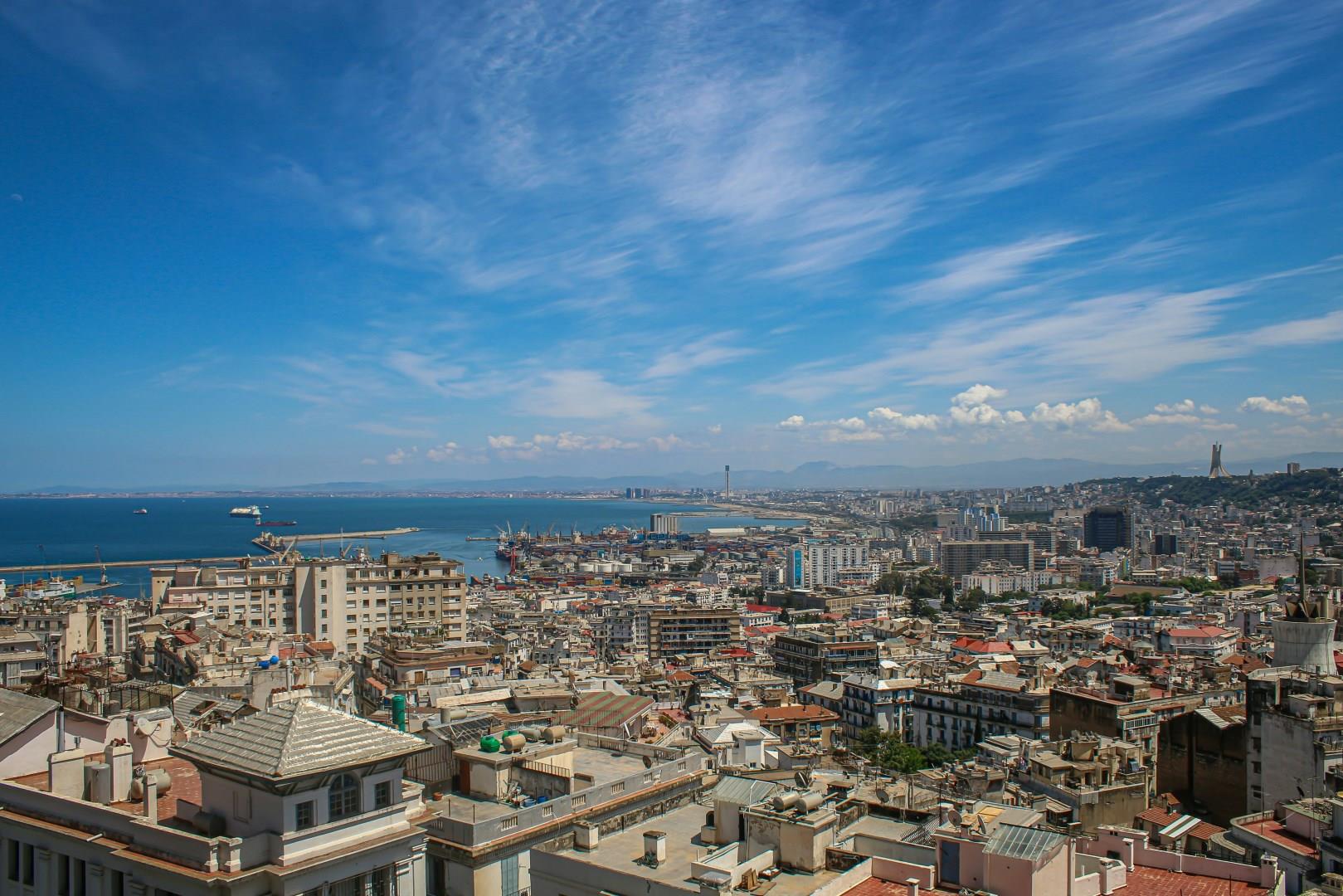
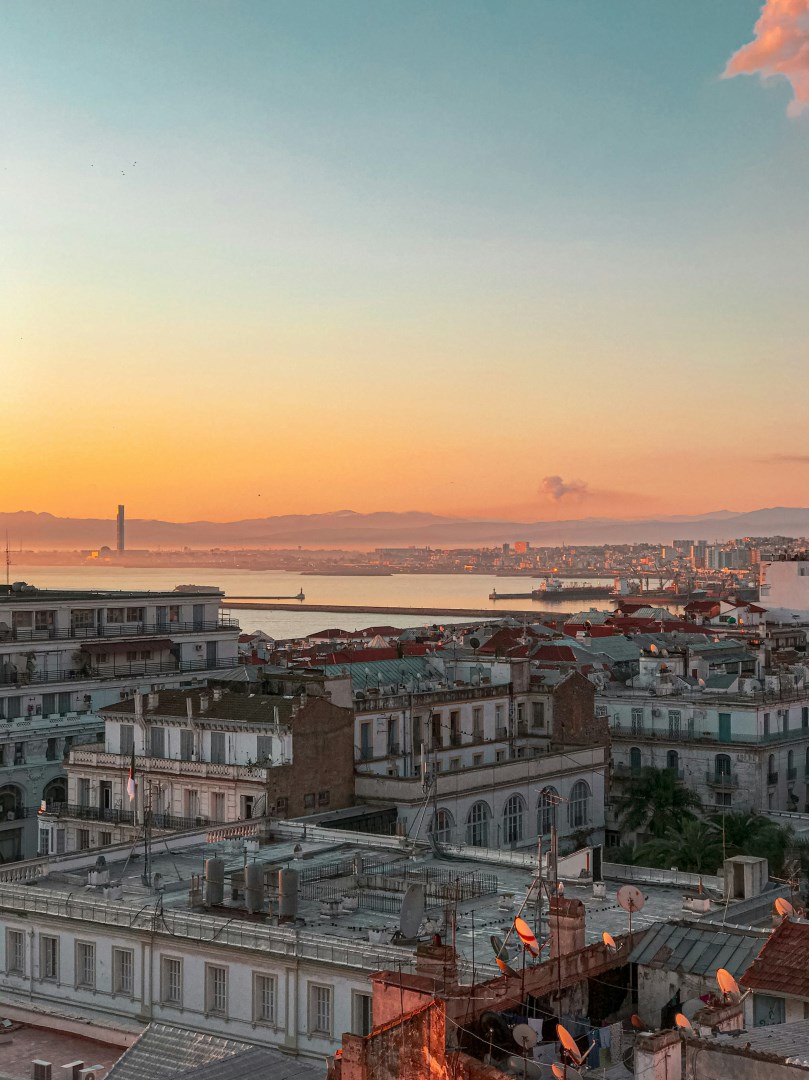
Algiers is the capital and largest city of Algeria, occupying a series of hills along the western side of a broad Mediterranean bay. Its landscape combines a historic hillside core, modern districts, busy avenues, and a large waterfront. The white facades of the city rise above the sea, giving Algiers its familiar nickname, “Algiers the White.” The capital is also the country’s principal political, economic, and cultural centre, with museums, universities, theatres, markets, and historic neighborhoods reflecting the many communities and traditions that have shaped the city.

Culture and history are especially visible in the Casbah of Algiers, a UNESCO World Heritage site characterized by narrow lanes, whitewashed houses, mosques, palaces, and traditional urban architecture. The city also contains landmarks representing different periods and cultural influences, including the Ketchaoua Mosque and the Basilica of Notre-Dame d’Afrique. The Martyrs’ Memorial, or Maqam Echahid, stands on a hill above the capital and commemorates those who died during Algeria’s struggle for independence. Together, these sites illustrate the layered identity of Algiers and its importance in Algerian national life.

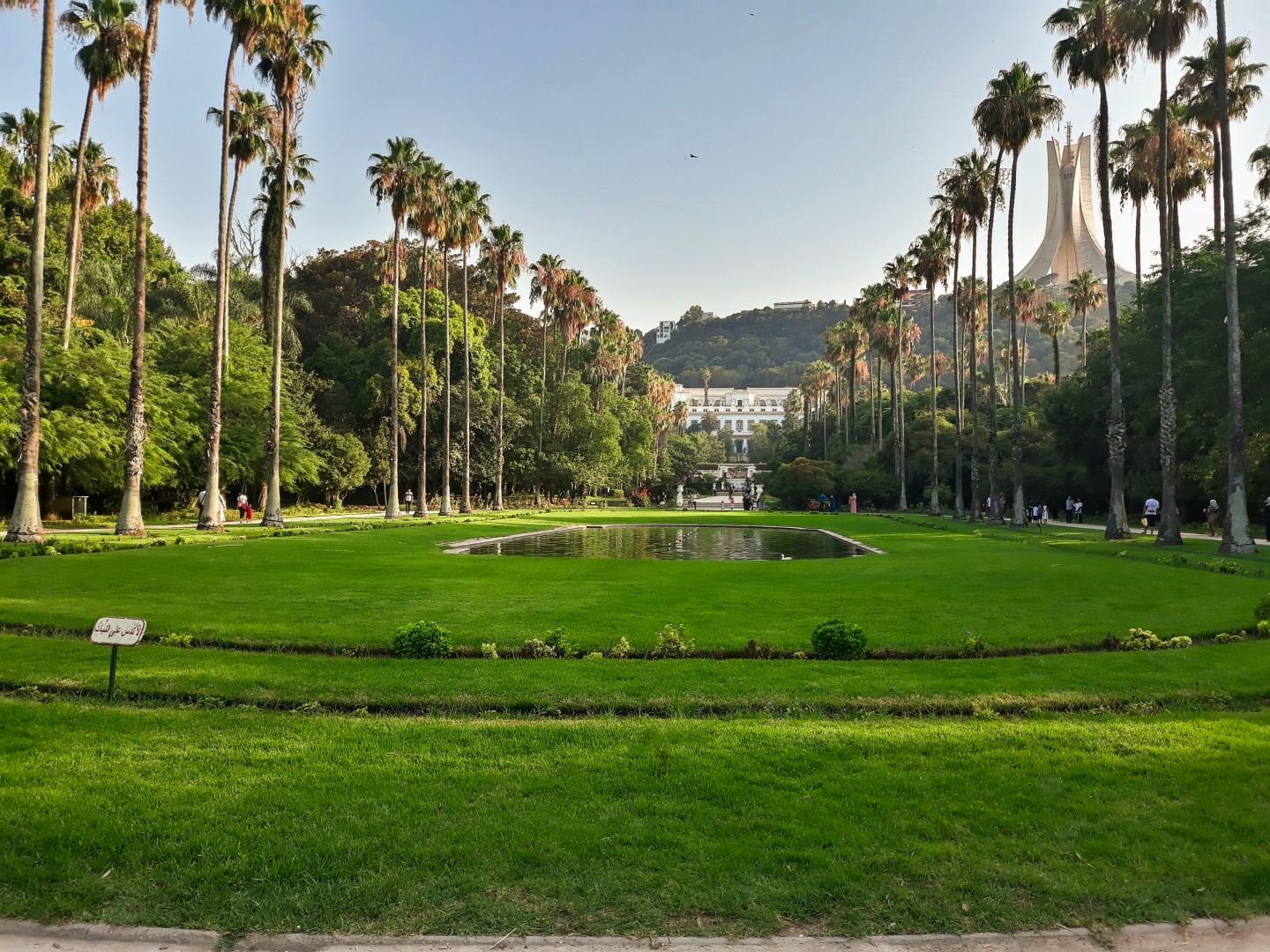
Algiers offers several notable green and coastal spaces alongside its dense urban landscape. Jardin d’Essai du Hamma is a major botanical garden with formal gardens, palm-lined paths, mature trees, and plant collections from around the world. The seafront provides views across the Mediterranean, while the hills behind the city offer elevated perspectives over the bay and surrounding neighborhoods. The Casbah, with its steep streets and tightly packed buildings, provides a very different environment from the broad boulevards and newer districts that developed farther from the historic centre.

Algerian cuisine is well represented in Algiers, with restaurants and markets serving dishes such as couscous, rechta, chorba, and various preparations of fish and seafood. The capital’s coastal location makes seafood an important part of local dining, while its diverse population has contributed to a broad range of regional Algerian cooking. Algiers is also an important centre for Algerian arts and literature, with cultural institutions spread throughout the city. Its combination of Mediterranean scenery, historic quarters, botanical gardens, national monuments, and everyday city life makes it a useful introduction to Algeria.

Learn More About Algiers

Slideshow Placeholder
Martyrs Memorial - Photo Credit: Photo by Paulo Lopes on Unsplash
Martyrs Memorial
Photo Credit: Photo by Paulo Lopes on Unsplash
Martyrs Memorial - Photo Credit: Photo by Paulo Lopes on Unsplash
Martyrs Memorial
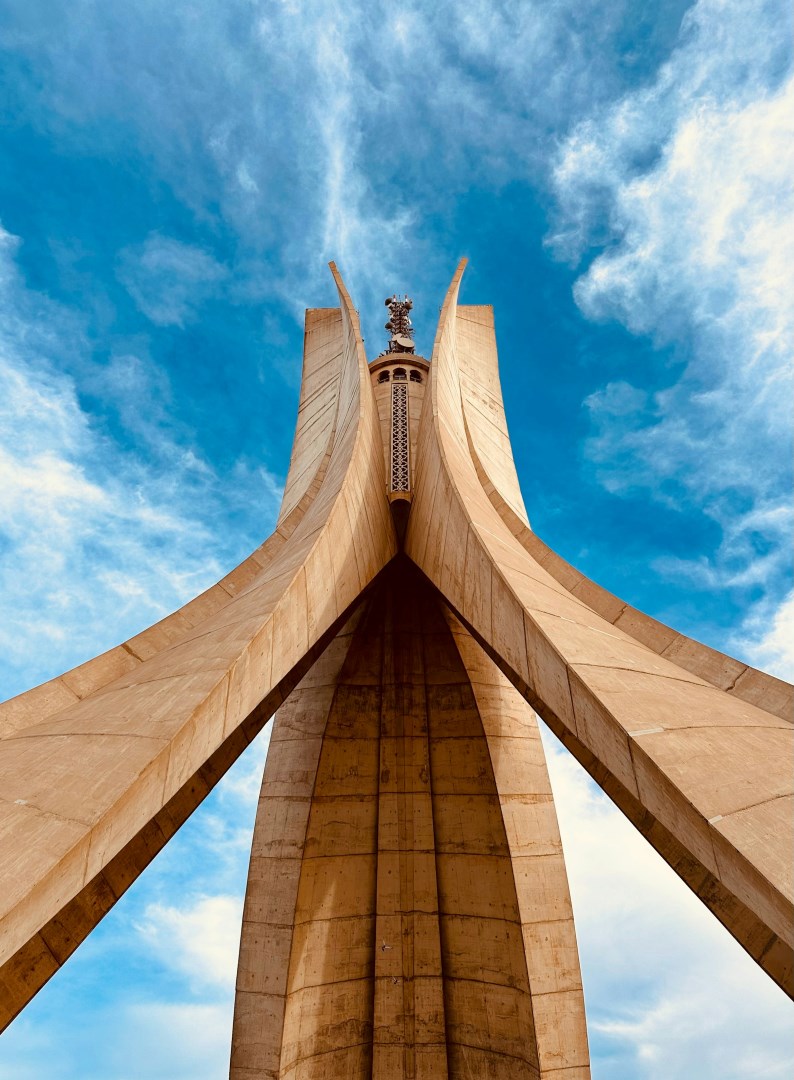
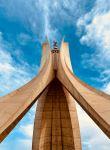
The Martyrs’ Memorial, known locally as Maqam Echahid, is one of Algiers’ most recognizable landmarks and a major national monument dedicated to those who died during Algeria’s struggle for independence. The concrete structure rises prominently on a hill overlooking the capital, with three tall, palm-like sections meeting at the top. Its form represents the unity of the Algerian people, while the monument’s elevated position provides broad views across Algiers and the Mediterranean. Nearby, the National Museum of the Mujahid provides additional context about the country’s independence struggle and commemorates the people who took part in it.

Slideshow Placeholder
Basilica of Notre-Dame d'Afrique - Photo Credit: Photo by Nabil Saleh on Unsplash
Basilica of Notre-Dame d'Afrique
Photo Credit: Photo by Nabil Saleh on Unsplash
Basilica of Notre-Dame d'Afrique - Photo Credit: Photo by Nabil Saleh on Unsplash
Basilica of Notre-Dame d'Afrique
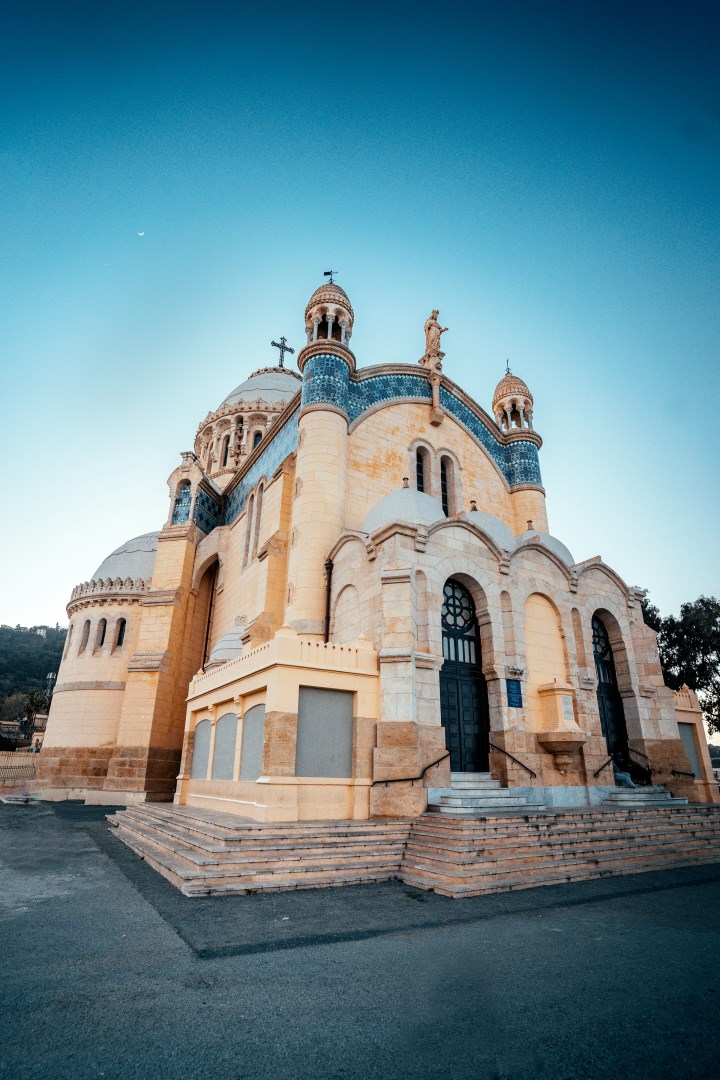
The Basilica of Notre-Dame d’Afrique stands on a hill overlooking the Bay of Algiers and is one of the capital’s most distinctive historic buildings. Its architecture combines a Byzantine-inspired design with a prominent dome, while the interior contains ornate mosaics, marble details, and religious artwork. The basilica has long served Algeria’s Catholic community and is also notable for its message of reconciliation between different faiths. Its elevated position in the Bologhine district provides wide views across the Mediterranean, making the building an important architectural and cultural landmark in Algiers.

Slideshow Placeholder
Jardin d'Essai du Hamma - Photo Credit: Photo by Azzedine Rouichi on Unsplash
Jardin d'Essai du Hamma
Photo Credit: Photo by Azzedine Rouichi on Unsplash
Jardin d'Essai du Hamma - Photo Credit: Photo by Azzedine Rouichi on Unsplash
Jardin d'Essai du Hamma
Photo Credit: Photo by Azzedine Rouichi on Unsplash
Jardin d'Essai du Hamma - Photo Credit: Photo by Azzedine Rouichi on Unsplash
Jardin d'Essais
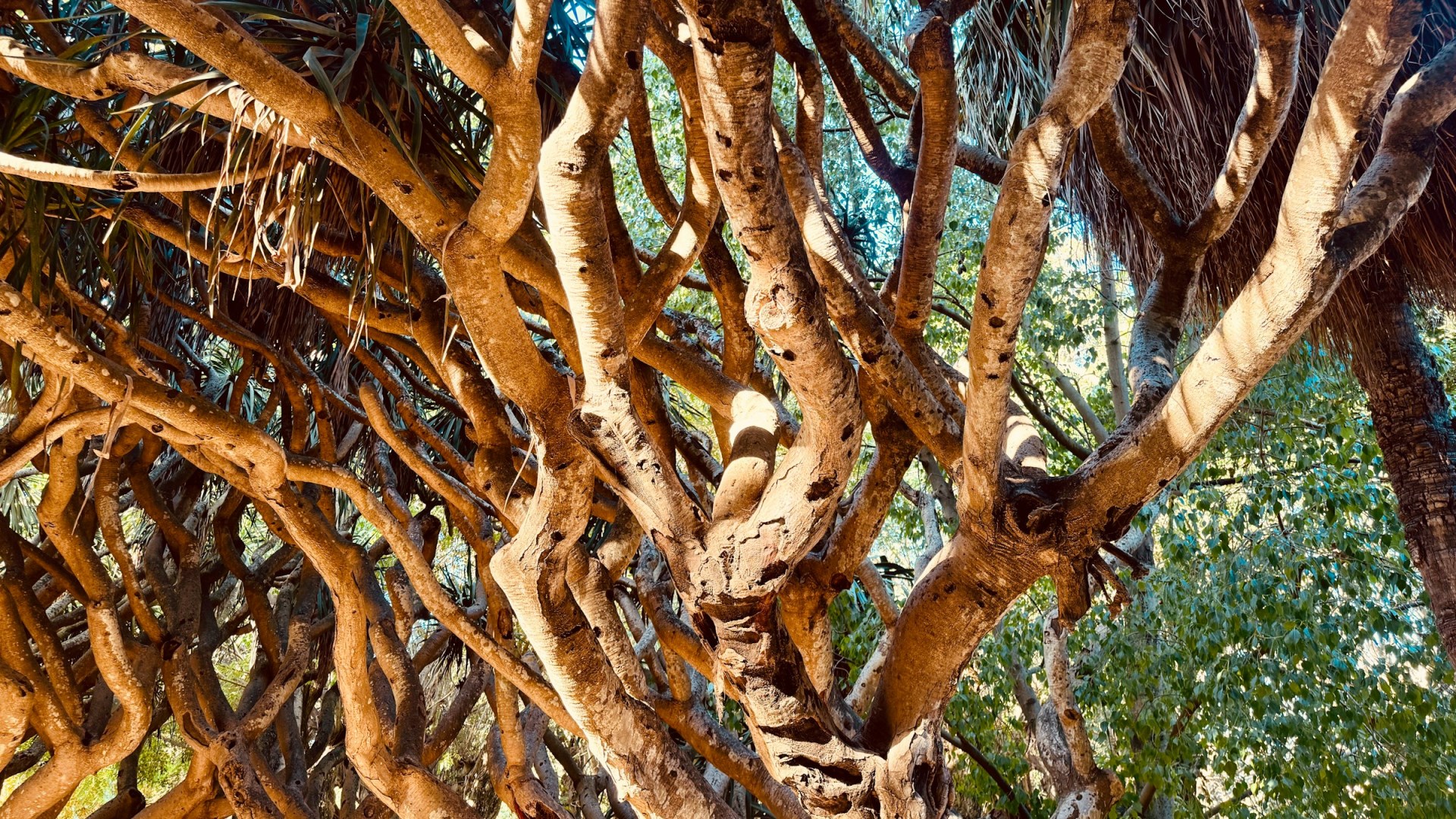
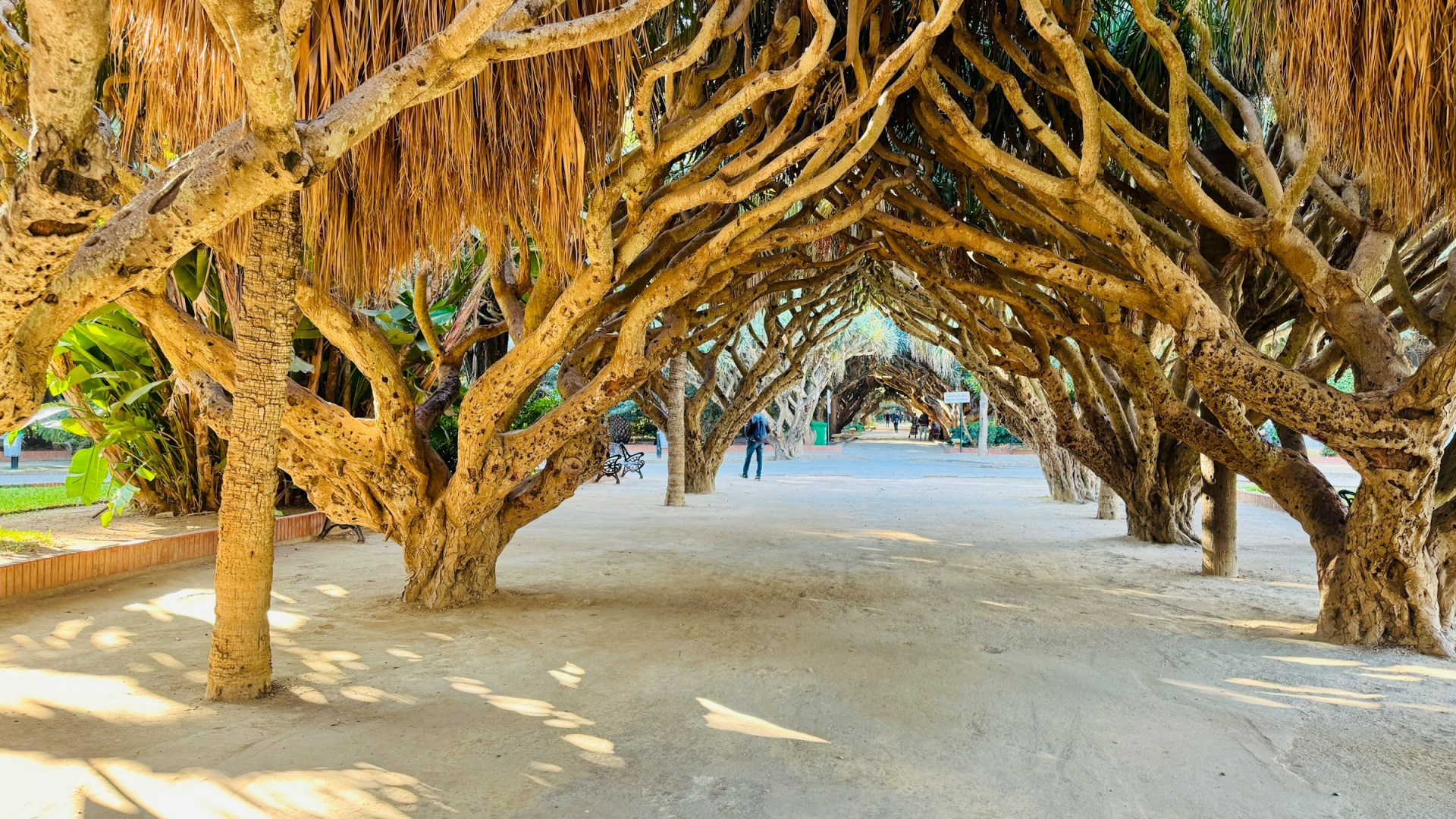
Jardin d’Essai du Hamma is one of Algiers’ most important historic gardens, stretching between the city and the foothills of the Jardin d’Essai district. Its extensive grounds contain formal gardens, mature trees, palm-lined paths, and plant collections from different parts of the world. The garden is particularly noted for its contrast between carefully designed landscapes and the surrounding urban setting. Its location near the Bay of Algiers also gives it a distinctive role as a large green space within the capital. The garden has played an important role in botanical research, horticulture, and education. Its collections include tropical, subtropical, Mediterranean, and ornamental plants, reflecting Algeria’s connections with botanical institutions and plant exchanges beyond North Africa. Among its notable areas are the French Garden, with geometric layouts and avenues, and the English Garden, which uses a more natural arrangement of vegetation. The garden’s long-standing botanical function has made it more than a recreational park, preserving a significant collection of cultivated plant species within Algiers. Jardin d’Essai is also valued for its setting beneath the hills of Algiers, where tall palms, dense vegetation, broad lawns, and shaded pathways create a marked contrast with the surrounding city. The garden is divided into distinct landscaped sections, allowing visitors to see different approaches to garden design within one site. Its location beside the National Museum of Fine Arts and close to the Hamma district makes it part of an important cultural area. Views toward the city and nearby hills add another dimension to its landscape.

One of the garden’s distinctive features is its collection of large trees and palms, some of which have become prominent elements of Algiers’ urban landscape. The site has also been used as a setting for films, most famously appearing in scenes from the French film “Pépé le Moko.” Today, Jardin d’Essai remains an important botanical and public garden, combining plant collections, historic landscaping, and quiet walking areas. Its role in horticulture gives it a significance that extends beyond its appearance as one of Algiers’ principal green spaces.

Other Popular Destinations in Algeria
Oran
Oran
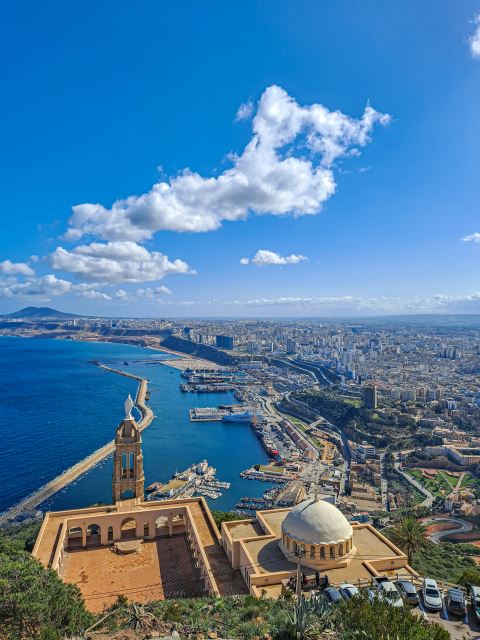
Oran is a major port city on Algeria’s western Mediterranean coast, set around a broad bay beneath the hills of Mount Murdjadjo. Its urban landscape combines a busy harbour, broad avenues, older quarters, and coastal neighborhoods. Oran is also strongly associated with raï music, a popular Algerian style that developed in the western part of the country.
Africa  /  Algeria
Béjaïa
Béjaïa
Béjaïa is a Mediterranean port city on Algeria’s Kabylie coast, set between the sea and the wooded slopes of the Gouraya massif. Its setting brings together a working harbour, mountain terrain, coastal cliffs, and beaches within a compact area. The city is one of Algeria’s important historic centres and has long been connected to maritime trade and scholarship.
Africa  /  Algeria
View More Algeria Destinations
Placeholder


Placeholder


Yero Travels, LLC
Laurel MD, USA
301-346-4258
info@yerotravels.com

Copyright 2020. All Rights Reserved. - Privacy Policy - Terms of Use